Of course! Here is a creative yet neutral introduction for your article.
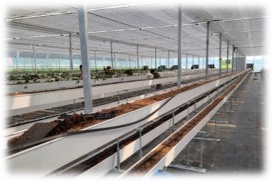
Beneath the vast, sun-drenched ceiling of your greenhouse, a silent, soil-less revolution is taking root. Hydroponics offers a world of precision and potential, where plants thrive on a direct diet of nutrients and light. Yet, the success of this aqueous ecosystem often hinges on a surprisingly fundamental element: the humble planting gutter. More than just a channel for water, these gutters are the very backbone of your system, the stage upon which your plants will grow and flourish. Choosing the right one is not a mere detail-it is a critical decision that echoes through every leaf and fruit. To guide you in building a strong foundation for your harvest, let’s explore the five key factors to consider when selecting the ideal planting gutter for your hydroponic greenhouse.
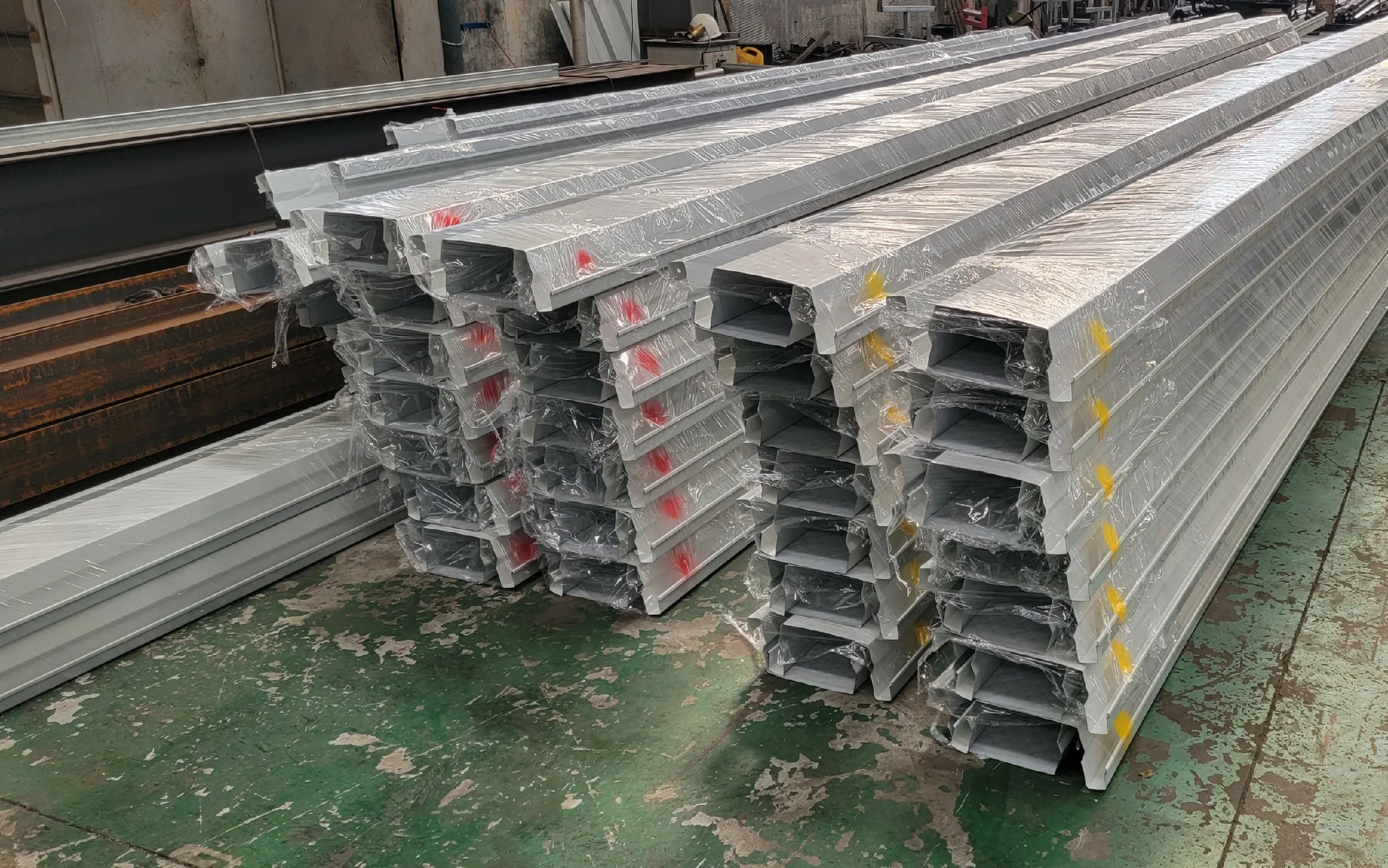
The very substance of your gutters dictates their longevity, safety, and interaction with your nutrient solution. Food-grade PVC or ABS plastics are popular for their light weight, affordability, and resistance to corrosion, making them a versatile choice for many operations. For growers seeking superior durability and a pristine root zone environment, co-extruded gutters offer an outer layer resistant to UV degradation and an inner layer that inhibits algal growth. In high-fire-risk areas, galvanized steel provides unmatched structural resilience, though it requires careful management of solution pH to prevent corrosion over time.
Beyond the material itself, the physical design is paramount. The gutter’s profile and internal surface texture are engineered to balance water capacity with flow velocity, ensuring roots receive ample oxygen while nutrient salts don’t settle. The width and depth of the channel must be calibrated to support the mature weight of your crops-from dense heads of lettuce to the sprawling canopy of tomatoes-without sagging or collapsing.
A gutter is more than a container; it’s the circulatory system of your hydroponic crop. Its hydraulic efficiency directly impacts plant health and resource use. Key considerations include:
- Slope Precision: A gentle, consistent gradient is non-negotiable for maintaining a shallow, uniform film of nutrient solution, preventing stagnant pools and dry spots.
- Surface Smoothness: A flawlessly smooth interior minimizes friction, allowing for unimpeded flow and reducing the energy demands on your water pump.
- Thermal Properties: Light-colored materials reflect heat, helping to maintain a cooler root zone, which is critical for oxygen solubility and preventing pathogen growth.
Finally, the arrangement of your gutter system plays a critical role in the most fundamental resource: light. Strategic sizing and spacing are essential to avoid canopy shading, especially in multi-tiered or NFT systems for smaller plants.
| Crop Type | Suggested Gutter Width | Row Spacing Guideline |
|---|---|---|
| Leafy Greens (e.g., Lettuce) | 4 – 6 inches | 12 – 18 inches between centers |
| Strawberries | 6 – 8 inches | 18 – 24 inches between centers |
| Basil & Herbs | 6 – 8 inches | 16 – 20 inches between centers |
This configuration ensures that as plants mature, they receive even light distribution across the entire canopy, maximizing photosynthesis and promoting uniform growth while allowing sufficient space for air circulation and pest management access.
Q&A
Of course! Here is a creative and neutral Q&A for an article about selecting a planting gutter for a hydroponic greenhouse.
Q&A: Navigating the World of Planting Gutters
Q: I’m new to hydroponic greenhouses. At its core, what exactly is a “planting gutter” and why is it so important?
A: Think of the planting gutter as the central nervous system of your hydroponic greenhouse. It’s far more than just a channel for water. This is the pathway that delivers life-a carefully balanced solution of water and nutrients-directly to your plant’s roots. It’s also the physical stage where your plants will live out their entire lifecycle. Choosing the right one sets the foundation for everything that follows: plant health, growth efficiency, and the overall success of your harvest.
Q: With so many materials available, from PVC to metal, how do I even begin to choose?
A: This is where your greenhouse’s personality comes into play! Each material tells a different story. Lightweight, corrosion-resistant PVC is a versatile and economical choice for many growers. Metal gutters, like food-grade aluminum, offer exceptional durability and a clean, professional look, often reflecting light back onto the plants. The key is to match the material’s story to your own: consider your crop’s needs, your local climate (will it cause rust or degradation?), and your long-term budget for both initial investment and maintenance.
Q: I see gutters in all shapes and sizes. Does the form of the gutter truly impact its function?
A: Absolutely. The shape of a gutter is a beautiful marriage of physics and botany. A wide, flat gutter might be perfect for sprawling leafy greens like lettuce, giving their roots room to explore. A deeper, more V-shaped channel, however, can create a more focused flow for the nutrient film technique (NFT), ensuring roots get optimal moisture and oxygen. It’s about designing a custom-fit environment that supports the specific way your chosen plants want to grow.
Q: My greenhouse space is limited. How can gutter selection help me maximize my yield?
A: This is where thinking in three dimensions pays off. The single greatest space-saving innovation is the movable gutter system. Imagine your rows of plants gently gliding along a track, like books on a sliding library shelf. This ingenious design eliminates permanent aisles, allowing you to pack plants tightly together. When you need to access a row, you simply slide the gutters to create a temporary walkway. It’s a clever dance of space and accessibility that can dramatically increase your growing capacity.
Q: Beyond the gutter itself, what’s one often-overlooked factor I should consider?
A: The magic is in the connections. It’s easy to focus on the gutters but forget about the subtle ecosystem they create. Pay close attention to the fittings, end caps, and the gentle, consistent slope of the entire system. A poorly sloped gutter can lead to stagnant water, while a perfectly calibrated one ensures a silent, steady flow. Also, consider the gutter’s relationship with light; some materials and colors can affect light reflection onto the undersides of leaves. It’s these small, harmonious details that separate a good system from a great one.
Q: Finally, any parting advice for making this important decision?
A: See your gutter not as a standalone purchase, but as a long-term partner in growth. Envision your operation not just as it is today, but as you hope it will be in five years. Will your chosen gutter adapt with you? The most successful selections are made by growers who balance practical needs with a vision for the future, creating a resilient and efficient environment for their plants to thrive.
Of course! Here are a few creative yet neutral options for your article outro.
Option 1 (Metaphorical)
Your hydroponic greenhouse is a symphony of light, water, and life. The planting gutter you choose is the silent conductor, ensuring each element flows in perfect harmony to nurture your crops from seedling to harvest. By tuning into these five key factors, you’ve equipped yourself to select the ideal channel for your garden’s success. Now, the stage is set. Go forth and cultivate.
Option 2 (Forward-Looking)
The journey of a thousand plants begins with a single, well-chosen gutter. This foundational decision ripples outward, influencing the health of your crops, the efficiency of your labor, and the bounty of your harvest. With these five factors as your guide, you’re no longer just selecting a piece of equipment-you’re architecting the future of your green oasis. May your choices lead to a thriving and abundant growth.
Option 3 (Concise & Evocative)
From the flow of nutrients to the support of life, the humble planting gutter is the unsung hero of the hydroponic landscape. It is the chosen path your plants will call home. Consider these factors not as a checklist, but as the essential threads to weave into the fabric of your greenhouse’s design. Your perfect growing channel awaits.
Option 4 (Directly Engaging)
The blueprint for your hydroponic system is taking shape. With these five key factors in mind-from material and slope to scale and compatibility-you are now prepared to make an informed choice that aligns with your vision. The right gutter is out there, ready to become the backbone of your greenhouse’s productivity. Your next step is to channel this knowledge into a selection that cultivates success. Happy growing