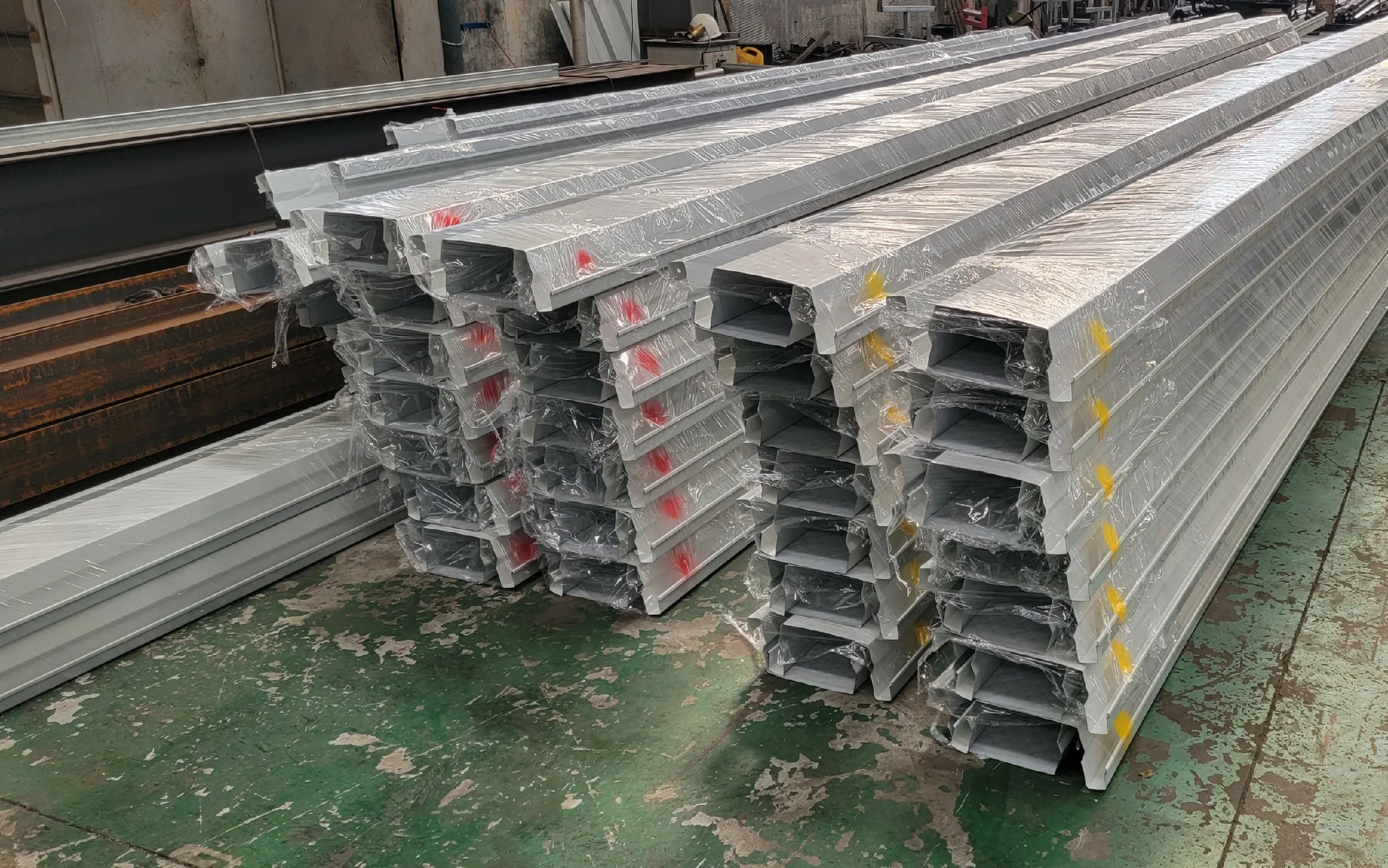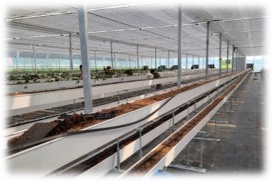
Imagine a farm that climbs instead of spreads. A farm that turns sun-drenched walls into fertile fields and repurposes the humble rain gutter into a conduit of life. In a world where horizontal space is increasingly precious, a quiet revolution is taking root, reaching for the sky. This is the world of vertical farming, where the simple, ingenious pairing of hanging gutters and vertical grow beds is challenging our most fundamental ideas about cultivation. By defying gravity and maximizing every inch of available space, these methods are not just a clever workaround for the space-strapped gardener; they are redefining the very architecture of growth.
The Gravity Advantage: How Hanging Gutters Deliver Water and Nutrients
At the heart of this vertical system lies a beautifully simple principle: gravity does the heavy lifting. A single, centralized nutrient reservoir feeds the entire structure from the top. This nutrient-rich water is then passively distributed through a network of interconnected gutters or pipes. As the water flows downward from one level to the next, it bathes each plant’s root system before eventually draining back to the reservoir to be recirculated. This creates a closed-loop system that is incredibly efficient, minimizing water and fertilizer use by up to 90% compared to traditional soil farming.
This method offers distinct benefits that go beyond mere conservation. The constant, gentle flow of water ensures that every plant receives a perfect balance of:
- Hydration: A consistent supply of moisture eliminates drought stress.
- Nutrition: Direct access to dissolved nutrients accelerates growth.
- Oxygenation: The flow aerates the water, promoting healthy root development.
| Traditional Farming | Vertical Gutter System |
|---|---|
| Water seeps away or evaporates | Water is captured and reused |
| Nutrients spread unevenly in soil | Nutrients delivered directly to roots |
| Manual watering and feeding | Fully automated delivery system |
Engineering Your Vertical Oasis: A Guide to Materials and Installation
Transforming a blank wall into a productive garden begins with selecting the right components for longevity and plant health. The core of your system is the growing vessel itself. While upcycled gutters are a popular and cost-effective choice, ensuring they are food-safe is paramount. Look for UV-resistant PVC or aluminum to prevent degradation from sunlight. For a more polished look, consider dedicated vertical planters made from cedar or recycled plastics, which offer excellent drainage and aeration. The supporting framework is equally critical; it must be robust enough to handle the significant weight of wet soil and mature plants. A structure built from galvanized steel conduit or pressure-treated lumber will provide the necessary strength and weather resistance for years to come.
A successful installation hinges on two key principles: security and irrigation. Follow this checklist to ensure your vertical oasis is built to thrive:
- Anchor Deeply: Use sturdy wall anchors or ground posts sunk into concrete for freestanding units to withstand wind load.
- Plan for Drainage: Each grow bed must have adequate drainage holes. Consider a drip tray or collection system at the base to redirect excess water.
- Automate Hydration: Integrate a simple drip irrigation system on a timer to deliver consistent moisture directly to the roots, eliminating the guesswork.
| Material | Best For | Key Consideration |
|---|---|---|
| Vinyl Gutters | Leafy Greens, Herbs | Ensure they are not lead-contaminated. |
| Felt Fabric Pots | Strawberries, Peppers | Excellent aeration but dries out faster. |
| Tiered Planters | Mixed Salad Gardens | Maximizes yield in a small footprint. |
Choosing Your Vertical Crops: From Leafy Greens to Vibrant Strawberries
The real magic begins when you match your spatial design with the perfect plants. Not every crop thrives in a vertical setting; success lies in selecting varieties that are naturally suited to the constrained root depth and unique microclimate of a vertical plane. The ideal candidates are typically lightweight, have shallow root systems, and offer a high yield per square foot. This strategic pairing transforms your structure from a simple frame into a prolific, living tapestry of food.
Top Tier Performers:
- Leafy Greens: Lettuce, spinach, kale, and arugula are virtually born for vertical farming. They grow quickly and don’t demand deep soil.
- Herbs: Basil, cilantro, mint, and parsley provide continuous harvests and enjoy the excellent drainage of vertical planters.
- Strawberries: These vibrant fruits are a spectacular choice, cascading beautifully from pockets and gutters while maximizing fruit production.
| Plant Type | Root Depth | Light Needs |
|---|---|---|
| Lettuce & Greens | Shallow (6-8″) | Partial to Full Sun |
| Herbs (Basil, Cilantro) | Medium (8-10″) | Full Sun |
| Strawberries | Medium (8-10″) | Full Sun |
For those looking to push the boundaries, consider compact or vining varieties of vegetables like cherry tomatoes, dwarf peas, and pole beans. These can be trained upwards with minimal support, turning a sun-drenched wall into a feature of incredible productivity. The key is to think vertically not just in structure, but also in plant habit, choosing climbers and spillers that will actively reach for the light and fill the space with an abundant, edible harvest.
Maintaining Your Aerial Garden: Pruning, Pest Control, and Seasonal Care
While your vertical farm is a marvel of space efficiency, its unique architecture demands a tailored approach to maintenance. The key to a thriving aerial garden is proactive care, which prevents minor issues from becoming major headaches. Regular attention ensures your plants remain healthy and productive throughout the growing season.
- The Art of the Prune: Encourage bushy, compact growth by regularly pinching back the tips of fast-growing plants like herbs and strawberries. This prevents them from becoming leggy as they reach for light and maintains the aesthetic integrity of your vertical display.
- Pest Patrol from a New Angle: Elevation can deter some ground pests, but be vigilant for others like aphids. Introduce beneficial insects, such as ladybugs, or use a gentle, organic insecticidal soap spray, applied carefully to the undersides of leaves.
- Strategic Feeding: Nutrients can wash through confined growing media more quickly. Implement a consistent feeding schedule with a diluted, balanced liquid fertilizer to keep your plants nourished.
Your vertical garden is a dynamic system that changes with the seasons. Adapting your care routine is not just beneficial-it’s essential for year-round success. A little foresight allows you to harness each season’s unique potential.
| Season | Primary Focus | Quick Tip |
|---|---|---|
| Spring | Planting & Training | Start seedlings and gently guide young vines onto supports. |
| Summer | Watering & Harvesting | Check moisture levels daily; harvest frequently to encourage production. |
| Autumn | Transition & Prep | Remove spent plants; add compost to refresh soil for cool-weather crops. |
| Winter | Protection & Planning | Shelter systems from frost or plant hardy greens like kale. |
Of course. Here are a few creative, neutral options for the outro.
Option 1 (Metaphorical)
So, the next time you look at a blank wall or a narrow alley, try to see beyond the brick and mortar. See it as a frontier. The age-old challenge of space in agriculture is being met not by expanding outwards, but by thinking upwards. By turning vertical surfaces into fertile ground and repurposing simple structures into life-giving systems, we are quite literally raising the bar for what’s possible in farming. The future of growth, it seems, is looking up.
Option 2 (Forward-Looking)
The revolution in farming may not always be found in vast, sprawling fields, but in the quiet, efficient use of the space we already have. Hanging gutters and vertical beds are more than just clever gadgets; they are testaments to a shift in perspective. They challenge the traditional horizontal plane of agriculture, suggesting that the most fertile ground for innovation might just be the empty space right in front of us. This upward turn is a simple, yet profound, step toward a more resilient and adaptable way to grow.
Option 3 (Concise and Evocative)
The constraints of limited space are no longer a full stop, but merely a comma in the story of cultivation. By embracing the vertical, we rewrite the narrative. These methods prove that abundance isn’t solely measured in acres, but also in ingenuity-in the vibrant green tendrils spilling from a repurposed gutter or the orderly rows of a living wall. It’s a clear signal that when it comes to farming, the sky is no longer the limit, but the framework.