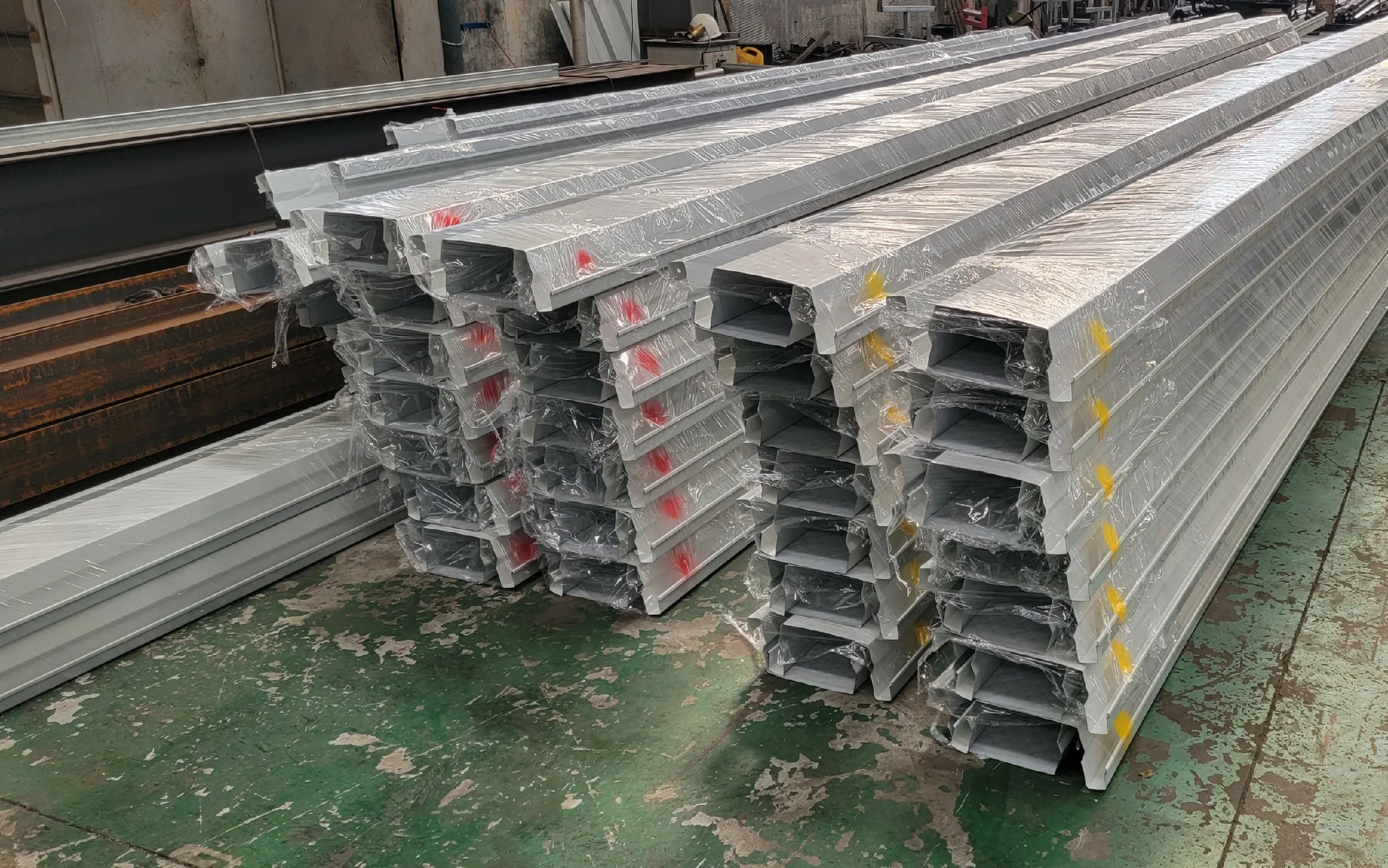
Of course! Here is a creative, neutral introduction for your article:
In the vertical world of hydroponics, growth is only half the battle. The true challenge lies in crafting an environment where every leaf can unfurl and every root can thrive without constraint. Often, the most ingenious solutions are not found in complex technology, but in reimagining the simple, sturdy principles of support from other disciplines. Enter the unexpected allies: the unassuming pipe railway support and the versatile wire hook. By integrating these modular and robust elements into your system, you can design a framework that is not only highly adaptable but also elegantly efficient, allowing your plants-and your productivity-to reach new heights.
The Foundation of a Thriving Hydroponic System
While much attention is rightly given to nutrients and lighting, the true backbone of any high-performing hydroponic system is its physical infrastructure. Neglecting the framework is like building a house on sand; no matter how advanced your other components are, instability will undermine your results. This is where the strategic use of pipe railway supports and adjustable wire hooks transforms your garden from a makeshift arrangement into a precision-engineered environment for growth.
These components are the unsung heroes of hydroponic efficiency. They work in tandem to create a dynamic and highly organized space that directly contributes to plant health and your own ease of maintenance. Consider the fundamental advantages they provide:
- Maximized Vertical Space: By suspending channels or NFT pipes, you unlock valuable air circulation and light penetration below the canopy.
- Effortless System Maintenance: Rails allow for the smooth sliding of entire grow channels, bringing every plant within easy reach for pruning, inspection, and harvesting.
- Precision Plant Positioning: Individual wire hooks offer micro-adjustments to ensure each plant receives optimal light exposure as it matures.
- Enhanced System Stability: A securely mounted system prevents leaks, misalignments, and the stress that vibrations can cause to root systems.
Implementing this support strategy is straightforward and pays immediate dividends. The goal is to create a flexible grid that can adapt to your plants’ changing needs. For a typical NFT or Dutch bucket system, the setup involves a series of overhead rails from which your growing pipes or channels are suspended. The real magic lies in the adjustability; as plants grow, you can effortlessly raise or lower them to maintain the perfect distance from your light source, preventing burn and promoting compact, vigorous growth.
To illustrate the versatility of this approach, consider the following configurations for common hydroponic methods:
| System Type | Rail Support Role | Wire Hook Function |
|---|---|---|
| NFT Channels | Creates a sloped, secure runway for nutrient flow. | Allows fine-tuning of the channel’s angle to ensure proper drainage. |
| Dutch Buckets | Supports irrigation and return lines neatly above the plants. | Manages the weight of heavy, fruit-laden plants, providing crucial support. |
| Vertical Towers | Acts as the primary structural anchor against tipping. | Enables easy removal of individual tower sections for cleaning or replanting. |
By investing in this foundational framework, you are not just building a system-you are engineering an ecosystem that is resilient, manageable, and primed for maximum yield. It’s a simple upgrade with a profound impact on the daily operation and long-term success of your hydroponic venture.
Optimizing Airflow and Light Penetration with Strategic Support
In the vertical world of hydroponics, the true secret to a thriving garden lies not just in the nutrient solution, but in the very air and light that surrounds your plants. Traditional, rigid supports often create a dense canopy where leaves compete for resources, leading to shaded lower branches and stagnant, humid air-a perfect breeding ground for mold and pests. By implementing a system of pipe railway supports and adjustable wire hooks, you transform your setup into a dynamic, three-dimensional space. This strategic approach allows you to orchestrate the perfect environment by gently training plants to grow outward rather than just upward.
This method provides unparalleled control, enabling you to perform two critical functions with ease:
- Canopy Management: Easily space plants apart by sliding hooks along the overhead pipe, ensuring each leaf receives its fair share of light without overcrowding.
- Strategic Pruning and Harvesting: The ability to temporarily lower or move a plant section with wire hooks grants effortless access to the inner and lower parts of the plant for maintenance.
The result is a system that works in harmony with plant physiology. Optimized light penetration fuels photosynthesis from the top leaf to the bottom stem, while improved airflow around the entire plant structure strengthens stems and accelerates transpiration. This not only boosts growth rates and overall yield but also significantly reduces the risk of disease. The flexibility of this support system means it adapts to your plants’ needs throughout their lifecycle, from vegetative growth to heavy fruiting.
| Support Challenge | Pipe & Hook Solution | Direct Benefit |
|---|---|---|
| Lower leaves are shaded | Adjust hooks to spread stems | Increased light exposure |
| Poor air circulation | Create space between plants | Reduced humidity & disease risk |
| Difficult to access inner canopy | Swing plants aside on the railway | Easier pruning and harvesting |
Selecting the Right Materials for Durability and Plant Health
While the innovative design of pipe railways and wire hooks grabs the spotlight, the unsung heroes of your hydroponic system are the very materials they’re made from. The wrong choices can lead to corrosion, chemical leaching, and structural failure, silently sabotaging your plants’ vitality. To ensure longevity and purity, prioritize food-safe, corrosion-resistant materials. For pipe railways, schedule 40 PVC offers an excellent balance of strength and affordability, while stainless steel provides unmatched durability for permanent installations. When selecting wire hooks, avoid plain galvanized steel, which can rust and release zinc; instead, opt for:
- Stainless Steel Wire: The gold standard for non-corrosive, long-lasting support.
- Plastic-Coated Variants: An economical choice that adds a protective barrier between the metal and nutrient-rich environment.
- Durable UV-Resistant Polymers: Ideal for systems exposed to direct sunlight, preventing brittleness over time.
Understanding how material properties translate to real-world performance is key. The following table compares common options to guide your selection, ensuring your support system contributes to plant health rather than compromising it.
| Material | Best For | Durability | Plant Health Impact |
|---|---|---|---|
| Stainless Steel | High-humidity, long-term systems | Exceptional | Inert and safe |
| Schedule 40 PVC | Cost-effective, indoor setups | High | Food-safe grades recommended |
| Plastic-Coated Wire | Budget-conscious growers | Good | Safe if coating remains intact |
Implementing a Customizable Framework for Scalable Growth
While the core components of a hydroponic system-like channels, reservoirs, and pumps-often get all the attention, the underlying support structure is the unsung hero of a truly scalable and efficient operation. By designing a framework using standard pipe railway supports and wire hooks, you create a customizable and robust skeleton that can evolve with your ambitions. This approach moves you away from pre-fabricated, rigid kits and towards a system where every component is accessible, adjustable, and easily replaceable.
Imagine a setup where you can effortlessly slide grow channels along a rail to optimize light exposure or quickly detach a line for maintenance without disrupting the entire system. This modularity is key to long-term growth. Consider these core benefits:
- Effortless Adjustability: Fine-tune the position of your channels as plants grow, ensuring even light distribution from seedling to harvest.
- Simplified Maintenance: Unhook a single channel for cleaning or inspection without draining the entire system.
- Future-Proof Scaling: Adding a new grow line is as simple as extending the rail and hanging another channel, making expansion a logical, low-cost step.
| Traditional Setup | Custom Pipe & Hook Framework |
|---|---|
| Fixed, rigid positions | Fully adjustable and modular |
| Difficult single-line access | Quick, independent line removal |
| Complex, costly expansion | Simple, incremental scaling |
Of course! Here are a few creative and neutral options for your article outro.
Option 1 (Metaphorical & Forward-Looking)
And so, with the simple, sturdy forms of pipe railways and wire hooks, your hydroponic garden transforms. What was once a tangle of possibilities is now a streamlined ecosystem, a living tapestry neatly organized and effortlessly accessible. This isn’t just about tidying up; it’s about building a resilient framework for growth itself. By elevating your plants and securing their path to light, you’ve done more than organize-you’ve architected an environment where efficiency thrives, and your garden is free to reach its full, flourishing potential. The stage is set; now, watch what grows.
Option 2 (Reflective & Practical)
In the end, the most profound improvements often stem from the most fundamental solutions. The marriage of pipe railway supports and wire hooks is a testament to this-a quiet revolution in garden management. It’s an upgrade that recedes into the background, becoming the silent, reliable skeleton upon which the vibrant life of your plants takes center stage. With these elements in place, you are no longer a gardener constantly adjusting and untangling, but a conductor, calmly overseeing a system designed for harmony and abundance.
Option 3 (Short & Punchy)
Consider your hydroponic system redefined. The pipe railway is the backbone; the wire hooks are the agile limbs. Together, they create a dynamic structure where every leaf has its place and every root its space. This is efficiency, engineered not with complexity, but with clarity. Install the support, hang the potential, and cultivate the future-neatly.
Pro-Tip: You can mix and match these! For example, you could start with the first sentence of Option 2 and end with the last sentence of Option 1. Choose the one that best matches the flow of your article.