Of course! Here is a creative yet neutral introduction for your article.
Imagine a garden unbound by earth, where roots drink from a controlled flow of nutrients and leaves reach for the light in perfect harmony. This is the promise of advanced growing systems, a world where the age-old art of cultivation meets modern ingenuity. For the gardener looking to maximize every inch of space and every ray of sunshine, the path forward is not a single road but a fork. One signpost points to the clean, accessible lines of elevated growing systems, while the other directs you toward the sky-scraping potential of vertical grow beds. Both promise to elevate your harvest beyond the limits of the traditional plot, but each charts a distinct course to abundance. The journey to your most productive season yet begins with a single, essential choice.
The Architectural Advantage of Elevated Grow Beds
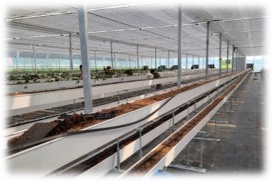
While vertical systems aim for the sky, elevated grow beds master the art of ground-level optimization. This approach isn’t about stacking plants but about raising the entire garden to a more ergonomic and controlled height. The primary benefit is a dramatic improvement in the gardener’s experience, reducing strain on the back and knees. More than just a comfort feature, this elevation creates a distinct microclimate. Improved air circulation around the entire plant helps prevent fungal diseases and discourages ground-dwelling pests, creating a naturally healthier environment for your crops.
The structure of a raised bed also provides unparalleled control over the growing medium. You are essentially creating a custom-tailored soil ecosystem, isolated from potentially poor native ground soil. This allows for perfect drainage and prevents soil compaction, giving roots the ideal conditions to expand and access nutrients. Key advantages include:
- Superior Soil Management: Confined space allows for precise amendment and maintenance of ideal soil composition.
- Extended Growing Seasons: Soil in elevated beds warms up more quickly in the spring, giving you a head start on planting.
- Defined Growing Areas: Clearly separates your crops from pathways, reducing damage and simplifying garden layout.
| Feature | Benefit | Ideal For |
|---|---|---|
| Contained Soil Volume | Efficient use of water and nutrients; less runoff. | Water-conscious gardeners, urban settings |
| Elevated Height | Barrier against slugs, snails, and some burrowing animals. | Areas with high pest pressure |
| Defined Borders | Easy installation of hoop houses or netting for protection. | Season extension and pest bird management |
Optimizing Root Health and Plant Vigor
At the heart of any bountiful harvest lies a simple truth: a thriving root zone is non-negotiable. Your choice between elevated growing systems and vertical grow beds fundamentally dictates the environment in which your roots develop. This decision impacts everything from oxygen availability and temperature stability to nutrient uptake efficiency. While both systems aim to elevate your plants from traditional ground-level challenges, they approach root zone optimization from entirely different angles, each with distinct advantages for plant vigor.
To maximize yield, you must align the system’s strengths with your plants’ specific needs. Consider the core requirements for optimal root health:
- Oxygenation: Roots need to breathe to absorb nutrients effectively.
- Moisture Management: Avoiding both drought stress and harmful waterlogging.
- Temperature Buffer: Protecting roots from extreme heat or cold.
- Disease Prevention: Creating an environment hostile to root-borne pathogens.
The following comparison highlights how each system addresses these critical factors, helping you decide which path leads to the most vigorous growth for your garden.
| Root Health Factor | Elevated Grow Beds (e.g., Tables, Benches) | Vertical Grow Beds (e.g., Towers, Walls) |
|---|---|---|
| Primary Advantage | Superior drainage and air circulation around the entire root ball. | Extreme space efficiency, allowing for a higher plant density. |
| Ideal For | Larger, deep-rooted plants like tomatoes, peppers, and cucumbers. | Shallow-rooted crops like leafy greens, herbs, and strawberries. |
| Vigorous plants start from the ground up-or in this case, from the roots outward. | Easier to monitor and manage individual plant health. | Roots are contained, which can limit competition but requires precise watering. |
Harvesting with Ease and Maintaining Your System
Once your plants are flourishing, the true test of a system’s design is the harvest. An elevated growing system shines in this department, bringing the garden directly to you. Imagine harvesting ripe tomatoes or crisp lettuce without a single bend or kneel-a significant advantage for gardeners with mobility challenges or those looking to avoid back strain. The ergonomic height transforms maintenance from a chore into a pleasant, accessible activity.
Conversely, vertical grow beds require a more strategic approach. While they maximize space, harvesting can involve reaching upwards or carefully selecting ripe produce from a dense, living wall. Maintenance is key to longevity for both systems. A simple, regular routine will keep your garden productive for seasons to come.
| Maintenance Task | Elevated Bed | Vertical Tower |
|---|---|---|
| Seasonal Cleaning | Refresh soil and check for wood rot or corrosion. | Flush irrigation lines and check for mineral buildup. |
| Winterizing | Can be covered or left to rest; durable against elements. | Often requires disassembly; pumps must be protected from freezing. |
To ensure your system remains healthy, integrate these practices into your gardening rhythm:
- Monitor Moisture Levels: Elevated beds drain quickly, while vertical systems rely on consistent flow. Adjust watering accordingly.
- Inspect for Pests and Disease: The air circulation in both systems helps, but regular leaf-checking is crucial for early detection.
- Feed the Soil (or Solution): Replenish nutrients with compost for beds or a balanced fertilizer for hydroponic towers to sustain vigorous growth.
Aligning Your Choice with Garden Goals and Space
Before investing in any new garden structure, take a moment to define your primary ambitions. Are you aiming for a bountiful harvest of heavy-feeding vegetables like tomatoes and zucchini, or are you cultivating a continuous supply of compact greens and herbs for your kitchen? Your answer is a powerful filter. Elevated beds, with their generous soil volume, are champions for large, deep-rooted plants that demand ample nutrients and space to sprawl. Conversely, vertical systems excel at maximizing the output of smaller, fast-growing crops in a minimal footprint, making them ideal for urban balconies or small patios.
Next, conduct an honest audit of your available area. Measure not just the square footage but also consider the vertical plane. A sunny wall or a sturdy fence is prime real estate for a vertical grow bed. Use the simple guide below to visualize how each system aligns with different spatial constraints and gardening goals.
| Your Situation | Elevated Grow Bed | Vertical Grow Bed |
|---|---|---|
| Ample Backyard Space | Excellent choice for creating dedicated, high-yield zones. | Great as a supplement for herbs or flowers on a fence. |
| Compact Patio or Balcony | Feasible only in small, singular units. | The superior option for maximizing variety and yield. |
| Goal: Grow Heavy Feeders | Ideal for tomatoes, peppers, squash. | Challenging; limited soil volume is a constraint. |
| Goal: Grow Leafy Greens & Herbs | Works very well but uses more ground space. | Perfect for sequential harvesting of lettuces, basil, etc. |
Of course! Here are a few creative and neutral options for your article outro.
Option 1 (Metaphorical)
As you stand at this horticultural crossroads, remember that the path you choose-whether reaching for the sky with vertical stacks or cultivating at a comfortable height with elevated beds-is less about finding a single “right” answer and more about aligning a system with your vision. Both routes lead away from the limitations of the ground, opening new horizons for your plants. The ultimate yield you maximize is not just measured in harvest weight, but in the joy of a garden that truly works for you. Your perfect growing solution is the one that helps your garden, and your passion, flourish.
Option 2 (Forward-Looking)
The journey beyond traditional gardening is an exciting landscape of possibilities. Whether your space calls for the architectural appeal of a vertical tower or the accessible elegance of an elevated bed, you are now equipped to make an informed choice. This decision is the first seed planted in your next, more abundant harvest. So, assess your space, listen to the needs of your plants, and build the foundation for your most productive season yet. The future of your garden is looking up.
Option 3 (Concise and Evocative)
And so, the choice presents itself: a garden that climbs or a garden that rises. One turns walls into fertile fields, the other brings the soil to your fingertips. There is no universal winner, only the perfect match for your patch of sun, your favorite crops, and your way of cultivating. Let your unique conditions be the guide as you design a growing space that is not only high-yielding but a genuine reflection of your gardening spirit. Happy growing