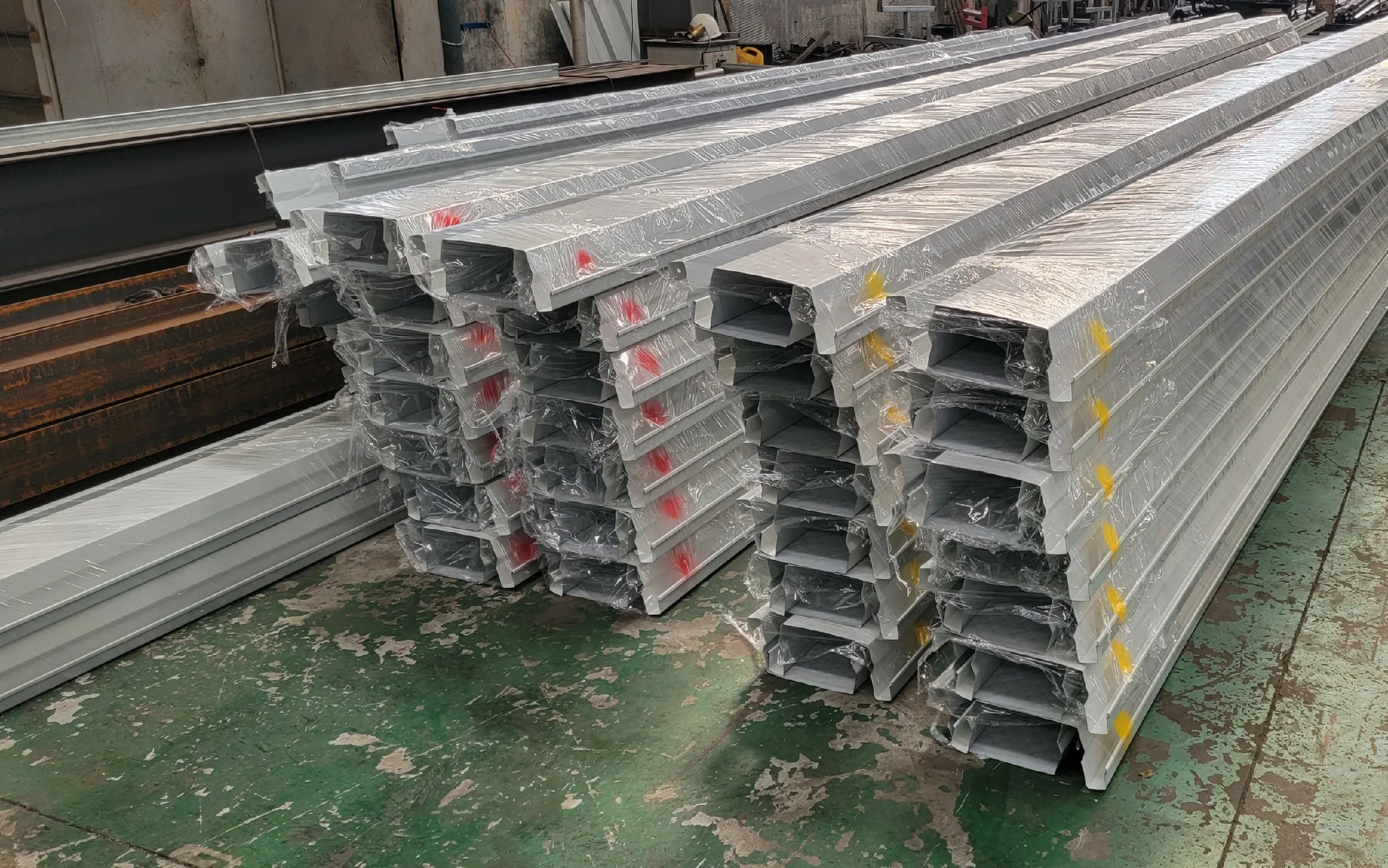
Forget the soil. Imagine, instead, a world where roots drink from a gentle, nutrient-rich stream, suspended in the perfect balance of air and water. This is the promise of hydroponics, a method that turns traditional cultivation on its head. Yet, the success of this soilless symphony hinges on a single, fundamental decision: the choice of the planting trough.
This is not merely a container; it is the cradle of your crop’s life, the primary channel for sustenance, and the stage upon which roots will either thrive or merely survive. The selection process, therefore, moves beyond simple utility into the realm of strategy. This guide illuminates that path, offering a clear-eyed exploration of how to select the ideal planting trough to serve as the foundation for your hydroponic harvest.
Material Matters: Evaluating Durability and Composition in Planting Troughs
Beyond mere containers, your choice of a planting trough is the very foundation of your hydroponic ecosystem. The material from which it is crafted dictates not only its own lifespan but also influences root zone temperature, light exposure, and even the health of your nutrient solution. Selecting the right one is a critical decision that balances longevity, functionality, and cost.
Key considerations for any material include:
- Light Opaqueness: To prevent algae growth that competes with your crops.
- Chemical Inertness: It must not leach harmful substances into the nutrient solution.
- Structural Integrity: The ability to withstand the weight of the system and resist cracking.
- Thermal Properties: How it responds to ambient temperature changes, affecting root health.
To help you navigate the options, here’s a breakdown of common trough materials and their performance characteristics. Each offers a unique set of advantages tailored to different scales of operation and environmental conditions.
| Material | Durability | Ideal For | Key Trait |
|---|---|---|---|
| Food-Grade PVC | High | Commercial NFT Systems | Lightweight & versatile |
| Polypropylene (PP) | Very High | Recirculating Systems (DWC) | Excellent chemical resistance |
| High-Density Polyethylene (HDPE) | Exceptional | Outdoor & Rooftop Setups | UV resistant & rigid |
| Polystyrene (Foam) | Moderate | Lightweight Raft Systems | Superior thermal insulation |
Sizing Up Your System: Matching Trough Dimensions to Crop Requirements
Choosing the correct trough isn’t a one-size-fits-all decision; it’s a fundamental calibration of your system’s architecture to the biological needs of your plants. The dimensions of your channel directly influence the root zone environment, which in turn dictates plant health, spacing, and ultimately, yield. A trough that is too narrow or shallow will cramp root systems, leading to competition for water and nutrients, while an excessively large one wastes valuable nutrient solution and space, reducing overall system efficiency.
To make an informed choice, focus on these three core dimensional aspects:
- Channel Width: Dictates plant spacing and light penetration to the canopy.
- Channel Depth: Determines the volume available for root mass development.
- Channel Length: Affects nutrient flow dynamics and oxygenation from inlet to outlet.
| Crop Type | Recommended Width | Recommended Depth | Key Consideration |
|---|---|---|---|
| Leafy Greens (Lettuce, Spinach) | 4-6 inches | 2-3 inches | Shallow, wide channels allow for high-density planting. |
| Herbs (Basil, Cilantro) | 4-6 inches | 3-4 inches | Slightly deeper for the more extensive root systems of perennial herbs. |
| Fruiting Crops (Strawberries, Peppers) | 6-8+ inches | 4-6+ inches | Substantial depth and width are critical to support larger, heavier plants. |
The Shape of Success: How Trough Geometry Influences Hydroponic Performance
While often perceived as simple channels, planting troughs are, in fact, the foundational architecture of your hydroponic system. Their geometry dictates the very environment in which roots reside, directly influencing critical factors like oxygen availability, nutrient flow dynamics, and structural support. Choosing the right shape is not merely a logistical decision; it’s a strategic one that sets the stage for plant health and productivity.
The primary geometric considerations extend beyond just width and depth. Key aspects include:
- Cross-Sectional Profile: A wide, shallow trough is ideal for nutrient film technique (NFT) systems, promoting a thin, highly oxygenated film of water. In contrast, deeper, narrower channels are better suited for deep water culture (DWC) or media-based systems, providing greater root zone volume and stability.
- Surface Area to Volume Ratio: This ratio is crucial for gas exchange. A design that maximizes the surface area of the nutrient solution in contact with the air facilitates better oxygen dissolution, which is vital for preventing root anoxia.
- Flow Characteristics: The internal shape must promote laminar, non-turbulent flow to ensure even nutrient distribution without creating dead zones where pathogens can thrive.
To translate these principles into practice, your crop selection is the most important driver. The optimal trough for a dense mat of lettuce roots differs vastly from what is required for the extensive, heavy root system of a tomato plant. Matching the geometry to the plant’s morphology is the key to unlocking efficient growth.
| Crop Type | Recommended Trough Profile | Primary Benefit |
|---|---|---|
| Leafy Greens (Lettuce, Spinach) | Wide, Shallow (e.g., Square/Rectangular) | Maximizes planting density and facilitates shallow NFT flow. |
| Vining Crops (Tomatoes, Cucumbers) | Deep, Round or U-Shaped | Accommodates large root masses and provides superior structural anchorage. |
| Herbs (Basil, Mint) | Medium-depth, with a flat base | Offers a balance between root space support and efficient water flow for smaller root systems. |
Beyond the Basics: Advanced Features and Accessories for Optimized Growth
Once you’ve mastered the fundamentals of channel selection, a new world of optimization opens up. The true potential of your hydroponic system is unlocked by integrating advanced features and purpose-built accessories. Consider systems with removable end caps for effortless cleaning, preventing root rot and pathogen buildup. For growers targeting specific crops, customizable channel inserts or net cup spacing allow you to adapt a single trough for everything from compact herbs to sprawling strawberries. Furthermore, incorporating channel covers or light-blocking materials is a critical strategy to inhibit algae growth, maintaining a pristine root zone and nutrient solution.
Accessorizing your troughs elevates your system from functional to finely tuned. The right additions can automate processes and significantly boost plant health and yields.
- Sloped Channel Stands: Ensure a consistent, gentle flow of nutrient solution, preventing stagnant pools and promoting robust root development.
- Precision Drip Stakes or Emitters: Deliver water and nutrients directly to each plant’s base, maximizing efficiency and minimizing waste.
- Integrated Trellising Options: Provide essential support for vining crops like tomatoes and cucumbers, keeping fruit clean and improving light penetration.
| Accessory | Primary Benefit | Ideal For |
|---|---|---|
| Root Zone Covers | Algae Prevention | All Systems, Especially in Bright Environments |
| Inline Water Chiller Port | Temperature Control | Heat-Sensitive Crops (e.g., Lettuce) |
| Sensor Mounts | Real-time Monitoring | Data-Driven Commercial Setups |
Of course! Here are a few creative yet neutral options for your article outro.
Option 1 (Metaphorical & Forward-Looking)
Your hydroponic system is a symphony, and the planting trough is its foundational rhythm section. It may not always be the star soloist, but its steady, reliable performance allows every other element-from nutrient solutions to lighting-to shine. The right choice sets the stage for a harmonious grow cycle, transforming potential into a tangible, flourishing harvest. Now, equipped with these insights, you’re ready to compose your own green masterpiece. Happy growing!
Option 2 (Focus on the Journey)
Selecting a planting trough is more than a simple purchase; it’s the first deliberate step in a journey of cultivation. It’s the physical space where your plans take root and your expertise comes to life. With this guide as your companion, that initial choice becomes less of a puzzle and more of a promise-a promise of strong roots, vibrant growth, and the quiet satisfaction of a system perfectly tailored to your vision. The foundation is set; the growth awaits.
Option 3 (Concise & Evocative)
From the humble channel to the sophisticated floating raft, each trough tells a story of how plants will live, feed, and thrive. This decision, grounded in the practicalities of material, size, and design, ultimately shapes the narrative of your crop’s success. You are now the author of that story. Choose your vessel wisely, and watch your hydroponic ambitions bloom.