Of course! Here is a creative and neutral introduction for your article.
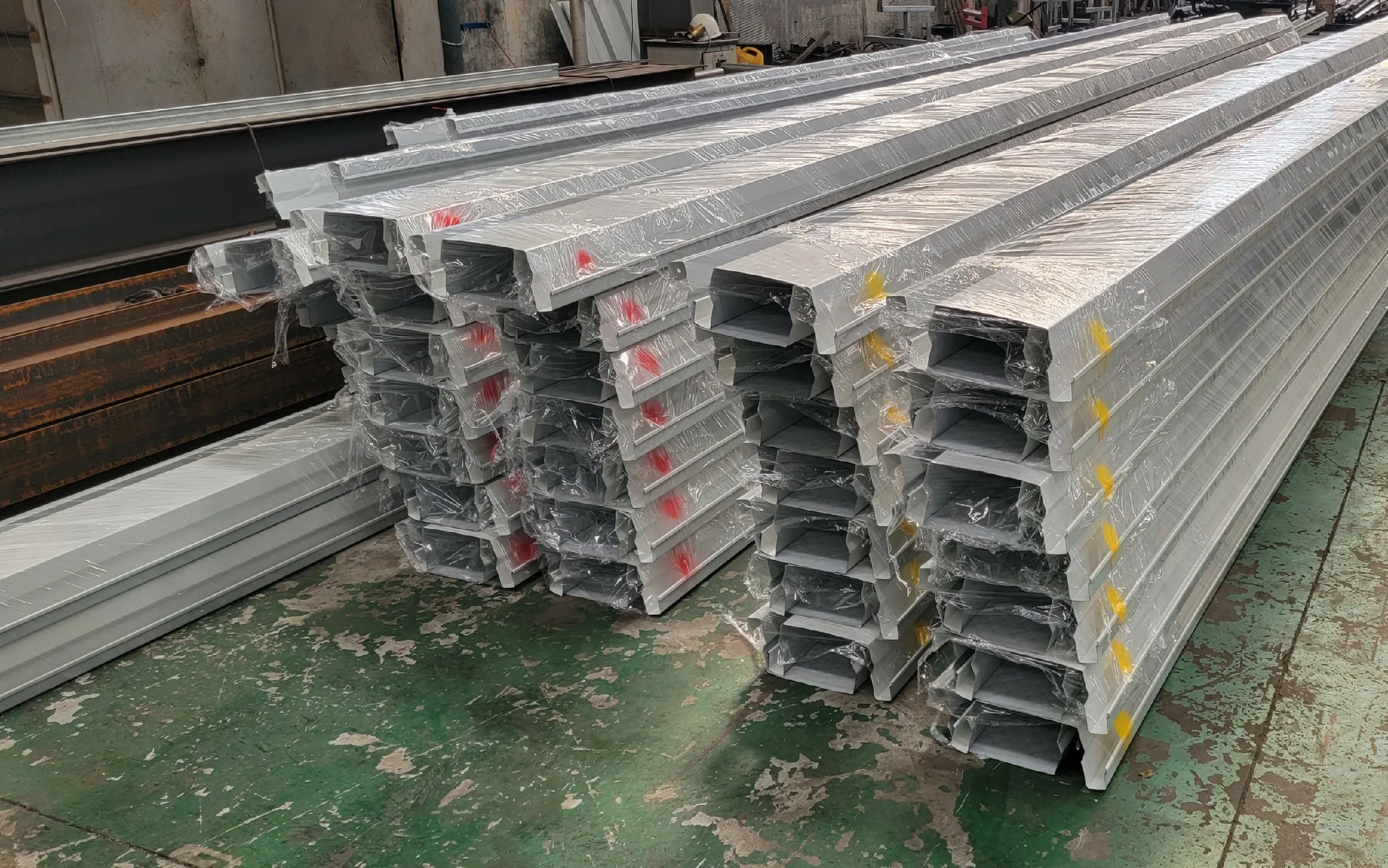
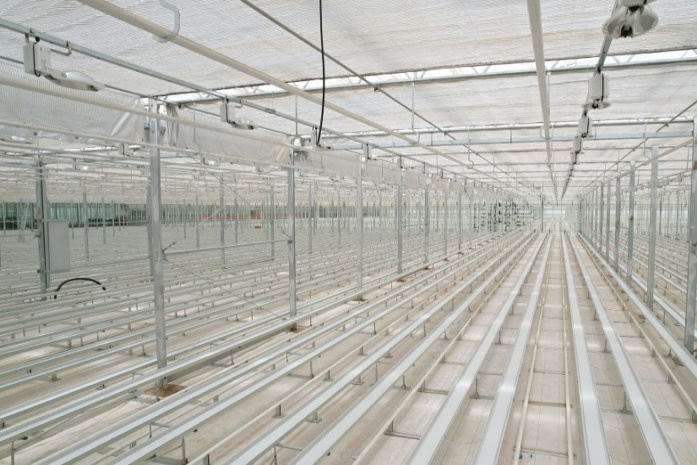
In the quiet, controlled world of the indoor farm, the most crucial decisions happen long before the first seed is sown. They are choices of architecture and flow, of how plants will meet their most fundamental needs: light, water, and space. Two distinct philosophies have emerged as leading contenders in this realm of vertical cultivation, each with its own elegant logic. On one hand, the sturdy, grounded presence of CZCS grow tables offers a foundation of order and precision. On the other, the suspended, flowing lines of hanging gutters suggest a dynamic system of constant motion and efficiency.
This isn’t a question of which system is universally better, but rather a puzzle of perfect fit. Is your operation built on the methodical rhythm of staggered harvests, or the continuous hum of a single, unbroken crop? The path you choose will shape everything from your daily workflow to your ultimate yield. Let’s explore the strengths and considerations of CZCS grow tables versus hanging gutters to help you determine which framework best supports your vision for growth.
Evaluating the Core Design and Plant Spacing
At the heart of the decision lies the fundamental layout of your cultivation space. Grow tables present a structured, modular approach, where each table acts as a self-contained island. This design offers distinct zoned management, allowing you to isolate different plant varieties or growth stages with ease. In contrast, hanging gutters create a continuous, flowing canopy. This uninterrupted design is inherently geared towards single-crop, high-density cultivation, maximizing every square foot of vertical space by eliminating the walkways between individual tables.
Plant spacing is directly dictated by your chosen system, impacting both yield potential and workflow. With tables, spacing is fixed by the physical dimensions of the tray, promoting orderly, uniform plant arrangement. Gutters, however, provide remarkable flexibility.
- Tables: Offer fixed, predictable spacing ideal for larger plants like mature tomatoes or peppers that require ample room.
- Gutters: Allow for adjustable spacing; channels can be placed closer for lettuce or staggered for a multi-stage, “caterpillar” harvest approach.
| Design Feature | Grow Tables | Hanging Gutters |
|---|---|---|
| Layout Philosophy | Modular & Zoned | Continuous & Flowing |
| Ideal Plant Spacing | Fixed, for larger crops | Adjustable, for high-density crops |
| Canopy Management | Segmented and controlled | Unified and expansive |
Assessing Water and Nutrient Delivery Efficiency
When it comes to getting the most out of every drop of water and gram of fertilizer, the fundamental design of each system dictates its performance. Hanging gutter systems operate on a recirculating principle, where the nutrient solution flows past the plant roots and is collected for reuse. This promotes excellent water conservation. However, this shared loop is also its Achilles’ heel; if a pathogen is introduced, it can quickly circulate to every plant in the line. In contrast, CZCS grow tables often utilize a drain-to-waste or timed-flood approach. While this may use slightly more water, it provides unparalleled control over the root zone environment for each table, preventing the spread of disease and allowing for tailored nutrient programs for different plant stages.
Your choice here directly impacts operational costs, plant health, and risk management. Consider the following comparison:
| Factor | CZCS Grow Tables | Hanging Gutters |
|---|---|---|
| Water Usage | Moderate (high efficiency in drain-to-waste) | Typically Lower (closed-loop system) |
| Nutrient Control | High (individual table customization) | Uniform (single solution for the line) |
| Disease Risk | Isolated to a single table | System-wide contamination possible |
Ultimately, gutters offer a streamlined, efficient system for monocropping large quantities of the same plant, whereas grow tables provide the flexibility and security needed for diversified cultivation or for operations where minimizing cross-contamination is a top priority.
Analyzing Installation Complexity and Long Term Maintenance
When it comes to getting your system up and running, the two options present very different challenges. CZCS Grow Tables are often favored for their straightforward assembly. Typically, you’re working with a flat-pack kit that involves connecting pre-fabricated legs to a sturdy, leveled frame and then placing the grow trays on top. The primary complexity lies in ensuring perfect leveling across the entire setup for optimal water drainage. In contrast, Hanging Gutter Systems demand a more engineered approach. The installation is inherently overhead, requiring a robust infrastructure.
- Secure Anchoring: You must install strong ceiling hooks or a dedicated support framework.
- Precise Slope Calculation: Each gutter run must be hung with a consistent, gentle slope to ensure nutrient solution flows correctly without pooling.
- System Integration: Connecting the network of gutters to the central nutrient reservoir and delivery lines adds another layer of complexity.
Long-term maintenance is where the operational DNA of each system truly diverges. Grow tables offer a contained, accessible environment. Cleaning between cycles is a matter of wiping down a single, large tray, and inspecting for issues is straightforward. Gutters, while efficient, create a more intricate maintenance routine. The narrow channels can be trickier to scrub clean, and checking the entire length for potential clogs or biofilm buildup is more time-consuming.
| Maintenance Aspect | CZCS Grow Tables | Hanging Gutters |
|---|---|---|
| Routine Cleaning | Wipe large, flat surface | Scrub narrow, long channels |
| Plant Access | Waist-level comfort | May require ladder work |
| Component Failure | Isolated to a single table | Can affect a whole gutter line |
Making the Final Choice Based on Your Operational Goals
Ultimately, the best system for your farm isn’t about which technology is superior in a vacuum, but which one becomes a seamless extension of your operational priorities. Your choice should be a strategic alignment of hardware with your core business objectives.
| Operational Goal | Ideal System | Key Rationale |
|---|---|---|
| Maximizing Revenue per Square Foot | Hanging Gutters | Vertical stacking multiplies your growing area. |
| Streamlining Labor & Workflow | CZCS Grow Tables | Ergonomic waist-height work surfaces reduce strain. |
| Rapid Crop Turnover & Flexibility | Hanging Gutters | Modular design allows for easy crop rotation. |
| System Simplicity & Lower Tech Risk | CZCS Grow Tables | All-in-one design minimizes complex plumbing overhead. |
Think of your daily workflow. If your focus is on high-density production of a single crop like leafy greens and you have the vertical space, hanging gutters offer an unparalleled yield advantage. Conversely, if operational efficiency and employee comfort are paramount-especially for a diverse array of herbs, starters, or smaller plants-the accessible, contained nature of CZCS tables can significantly boost productivity by minimizing physical overhead. The final decision hinges on whether you need to grow up or scale out your operation efficiently.
Of course! Here is a creative yet neutral outro for your article.
Outro
So, we’ve walked the rows and peered into the gutters. The path forward isn’t a single, well-worn trail, but a fork in the road. One leads to the grounded, stable potential of the CZCS grow table-a dependable workbench for your plants. The other ascends into the vertical promise of the hanging gutter-a symphony of efficiency and air.
There is no champion crowned here, only a clearer map of the territory. The right system isn’t the one with the most features, but the one that aligns with the rhythm of your operation, the architecture of your space, and the specific needs of your crops.
Whether you choose the solid foundation of the table or the elevated flow of the gutter, you are making a decision to grow smarter. The final choice is the one that best supports the roots of your vision, allowing you to cultivate not just plants, but success. Now, equipped with the nuances of each, you can step forward and build the system that truly fits. Happy growing