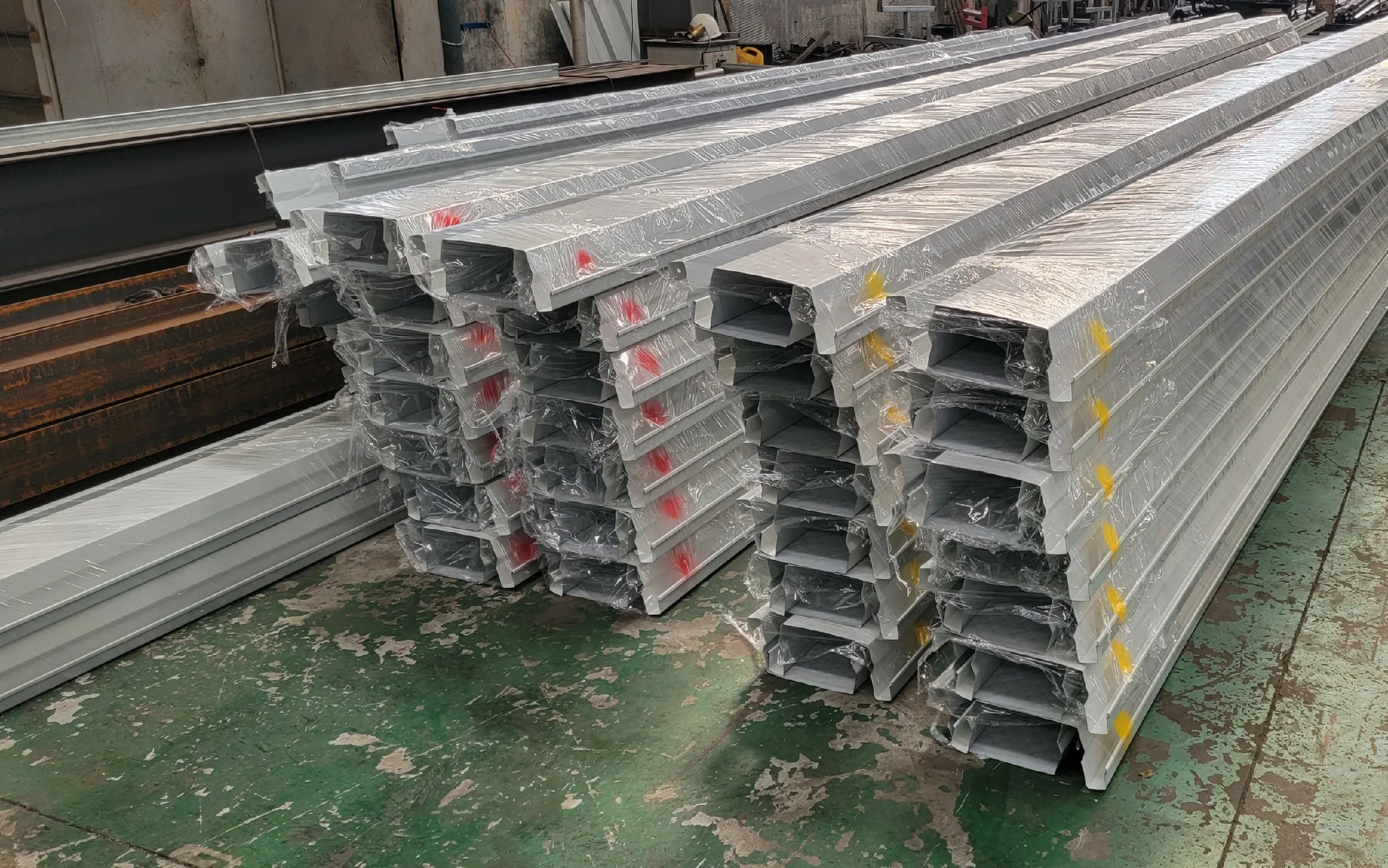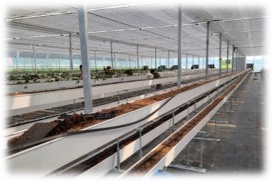
Imagine a farm that climbs towards the sky, its roots not in soil, but in a silent, flowing current of nutrient-rich water. This is not a scene from a distant future, but the present reality of modern agriculture, a domain where innovation is reshaping how we cultivate our food. At the heart of this transformation are advanced hydroponic systems, engineered for efficiency and scale. This article explores the spectrum of solutions offered by CZCS, tracing the journey from their foundational vertical grow beds to their sophisticated, complete elevated growing systems. We will delve into the design and functionality that allow these structures to support plant life from the ground up, creating organized, productive landscapes in any environment.
The Foundation of Modern Hydroponics: Understanding the CZCS Core Principles
While the technology behind hydroponics can seem complex, every successful system is built upon a universal, yet often unstated, set of principles. At CZCS, we have codified these into our core philosophy, a framework that ensures plant vitality from the ground up-or more accurately, from the water throughout. Our approach transcends simply replacing soil with water; it’s about creating a perfectly balanced digital ecosystem where every variable is monitored and optimized. This begins with a relentless focus on the root zone, the true engine of plant growth.
Our methodology is built on three interdependent pillars that form the CZCS foundation:
- Precision Root Zone Management: This is the non-negotiable starting point. We engineer systems that deliver a perfect balance of oxygen, nutrients, and water directly to the roots, eliminating guesswork and stress for the plant.
- Data-Driven Environmental Control: Light intensity, spectrum, temperature, and humidity are not left to chance. Our systems integrate seamlessly with smart controls to create a consistent, ideal climate for your specific crops.
- Scalable Structural Integrity: Whether a compact vertical grow bed or a vast elevated system, the physical platform must be robust, reliable, and designed for effortless operation and maintenance.
Understanding these principles in theory is one thing; seeing their practical application across different scales is another. The same CZCS core that governs a small-scale vertical farm is the very foundation of our largest commercial installations. The difference lies in the execution and scalability. For instance, our vertical grow beds exemplify precision management in a compact footprint, while our complete elevated growing systems integrate all three pillars into a single, high-capacity agricultural powerhouse.
| CZCS Principle | Applied in a Vertical Grow Bed | Applied in an Elevated System |
|---|---|---|
| Precision Root Zone | Targeted drip lines or aerated nutrient film in each tier. | Centralized, automated nutrient dosing with multi-zone control. |
| Data-Driven Control | Integrated sensors per level for micro-climate adjustment. | Enterprise-level software managing climate across a full warehouse. |
| Structural Integrity | Space-efficient, lightweight frames for vertical stacking. | Industrial-grade galvanized steel supporting significant weight at height. |
This holistic application of core tenets ensures that regardless of the project’s size, the outcome is the same: maximized yield, superior quality, and unprecedented resource efficiency. The system is simply the vessel; the CZCS principles are the lifeblood within.
Engineering Vertical Growth: A Deep Dive into CZCS Stackable Grow Bed Technology
Traditional farming is bound by the limits of horizontal space, but the future of cultivation looks up. Our CZCS Stackable Grow Bed Technology is the cornerstone of this upward evolution, a system engineered not just for height, but for uncompromising performance and scalability. Each unit is a self-contained ecosystem designed to interlock seamlessly with the next, creating a robust vertical farm that maximizes yield per square foot. The genius lies in the integrated flow path, which ensures precise nutrient delivery and consistent root zone conditions across every level, eliminating the common pitfalls of top-heavy or undernourished plants in multi-tiered systems.
This modular approach allows for unprecedented flexibility. Whether you’re a commercial grower starting with a single column or a research institution building a multi-acre facility, the system grows with your ambitions. The design inherently promotes:
- Enhanced Airflow and Light Penetration: Strategically engineered gaps between levels allow air to circulate freely and light to reach deeper into the canopy.
- Simplified Maintenance and Harvesting: Each bed is ergonomically positioned for easy access, reducing labor strain and operational downtime.
- Infrastructure Efficiency: A single source can feed an entire vertical column, drastically reducing the complexity and cost of plumbing and pumps.
| System Scaling | |
|---|---|
| Tier 1 | Urban Micro-Farm |
| Tier 2 | Commercial Rack |
| Tier 3 | Warehouse Scale |
Integrating the Complete Elevated System: From Reservoir to Canopy Management
Moving beyond individual vertical grow beds, the true power of CZCS technology is unlocked through the seamless integration of a complete elevated ecosystem. This holistic approach connects every component-from the water reservoir nestled below to the flourishing canopy above-into a single, intelligent, and highly efficient unit. We design systems where nutrient solution management, structural integrity, and plant access are not afterthoughts but foundational principles. This creates a closed-loop environment where resources are optimized, and manual labor is significantly reduced, allowing growers to focus on strategic cultivation goals rather than daily maintenance.
Our integrated systems are built around a core philosophy of control and accessibility. Key features include:
- Centralized Reservoir & Smart Delivery: A single, accessible reservoir feeds the entire elevated network via automated pumps and sensors, ensuring consistent nutrient delivery and precise environmental control.
- Modular Elevated Framework: A robust, customizable superstructure that supports the weight of mature plants and allows for flexible configuration of grow beds, lighting, and irrigation lines.
- Data-Driven Canopy Management: Integration points for environmental sensors and trellising systems that empower growers to make informed decisions for optimal plant health and yield.
| System Tier | Core Integration Features | Ideal For |
|---|---|---|
| Essential | Unified reservoir, basic elevated frame, manual monitoring | Educational projects, small-scale herb production |
| Professional | Automated dosing, sensor-ready framework, integrated lighting | Commercial leafy greens, boutique nurseries |
| Enterprise | Full IoT monitoring, climate control, automated harvesting support | Large-scale commercial farms, pharmaceutical cultivation |
Optimizing Your Harvest: Specific Recommendations for CZCS System Success
To truly unlock the potential of your Controlled Zone Cultivation System (CZCS), a strategic approach to plant selection and arrangement is paramount. Think of your vertical or elevated structure not just as a growing space, but as a three-dimensional canvas for maximizing yield and health. Key strategies for plant optimization include:
- Tiered Lighting: Position high-light-demanding crops like tomatoes and peppers at the top tiers, while reserving lower, shadier levels for leafy greens such as lettuce and spinach.
- Succession Planting: Implement a rolling schedule where new seedlings are introduced as mature plants are harvested, ensuring a continuous and non-stop supply of fresh produce.
- Companion Clustering: Group plants with similar nutrient and environmental needs together within the system to streamline your feeding regimen and create micro-climates that boost growth.
Beyond plant placement, the consistent delivery of a balanced nutrient solution is the lifeblood of your CZCS. An elevated design offers superior control, but this advantage must be paired with precise management.
| Growth Phase | Key Focus | Recommended Action |
|---|---|---|
| Seedling / Propagation | Root Development | Use a mild, balanced solution with a lower EC (Electrical Conductivity). |
| Vegetative Growth | Leaf and Stem Production | Increase nitrogen levels and adjust EC upward. Ensure even light coverage. |
| Flowering / Fruiting | Yield and Quality | Shift nutrient ratio to higher phosphorus and potassium. Monitor pH closely. |
Adhering to a phase-specific plan prevents nutrient burn during delicate stages and addresses the changing demands of your crops, leading to a more robust and fruitful harvest from your complete elevated growing system.
As we look to the horizons of agriculture, the conversation shifts from simply growing to growing upwards and outwards with intention. CZCS Hydroponic Solutions illustrates that the future of cultivation is not bound by the horizontal plane, but is a dynamic landscape of vertical towers and elevated platforms. This is more than a method; it is a reimagining of space, efficiency, and potential. From a single vertical grow bed to a complete, integrated network, the framework for a resilient and productive future is now within reach, ready to be assembled. The next chapter of growth is here, waiting to be built.