Of course. Here is a creative, neutral introduction for your article:
Beneath the sleek lines of a modern roof and the steady flow of water down a drainpipe lies an unseen world of engineered support. This hidden framework, a silent symphony of metal and mechanics, is what stands between order and potential chaos. While often overlooked, the integrity of a building’s drainage and a railway’s function hinges on the precise roles of its most fundamental parts. This article delves into the essential components that form this critical skeleton: the steadfast grip of gutter brackets, the elegant redirect of stem hooks, and the immense burden-bearing strength of pipe railway supports. We will explore how these unassuming pieces work in concert to channel the elements, bear tremendous loads, and ensure the longevity and safety of the structures we depend on every day.
The Unseen Backbone: How Gutter Brackets Manage Water and Weight
While gutters themselves are the most visible part of the water management system, their performance hinges entirely on the silent, steadfast work of their brackets. These unassuming components are the critical link between the gutter channel and the fascia board, performing a delicate balancing act against two relentless forces: the torrential flow of water and the constant, accumulating weight of debris and standing water. A bracket’s failure is not a minor issue; it’s a systemic collapse that leads to sagging gutters, compromised drainage, and potential damage to the home’s foundation and siding.
The engineering behind a simple bracket is more sophisticated than it appears. It must be designed to handle specific load capacities and resist environmental stressors. Key considerations include:
- Material Integrity: Resistance to rust, corrosion, and UV degradation to ensure longevity.
- Spacing Strategy: Strategic placement to prevent gutter “belly” sag between support points, especially in regions with heavy snowfall.
- Secure Fastening: Utilizing the correct fasteners for the attachment surface (e.g., fascia, roof deck) to withstand wind uplift and heavy loads.
| Bracket Type | Primary Strength | Common Application |
|---|---|---|
| Spike & Ferrule | Penetrative Grip | Traditional wooden fascia |
| Hidden Hanger | Distributed Load | Modern K-style gutters |
| Fascia Bracket | Surface Area Support | All fascia types, easy installation |
Stem Hooks and the Art of Secure Vertical Mounting
While gutter brackets handle the horizontal plane, the challenge of vertical surfaces demands a different kind of hero: the stem hook. These components are the masters of vertical mounting, transforming downspouts and pipes from dangling afterthoughts into securely integrated elements of a building’s exterior. Their design is a lesson in applied physics, using leverage and strategic contact points to counteract the forces of gravity and wind, ensuring that vertical runs remain perfectly plumb and steadfast against the elements.
The art of secure mounting lies in the details of the stem hook’s application. Key considerations include:
- Material Compatibility: Selecting a hook made from a material that matches or is compatible with the pipe to prevent galvanic corrosion.
- Wall Penetration: Ensuring fasteners are long enough to anchor securely into the structural substrate, not just the siding.
- Spacing: Installing hooks at regular intervals to prevent bowing and to distribute the load evenly along the pipe’s length.
| Vertical Run Height | Recommended Hook Spacing | Fastener Type |
|---|---|---|
| Up to 20 ft (6 m) | Every 5-6 ft (1.5-1.8 m) | Long Screws into Studs |
| Over 20 ft (6 m) | Every 4 ft (1.2 m) | Heavy-Duty Anchors |
Pipe Railway Supports: Organizing Conduit for Safety and Efficiency
While often overlooked, the framework that organizes electrical conduit, plumbing, and data cables is a critical element in any construction or renovation project. This is where specialized supports come into play, transforming a potential web of tangled pipes and wires into a secure and orderly system. Proper support is not merely about tidiness; it is a fundamental requirement for long-term safety and operational efficiency. Without it, conduits are susceptible to sagging, physical damage, and premature wear, which can lead to costly downtime or even hazardous situations. A well-planned support strategy ensures everything remains accessible for maintenance and protected from environmental stresses.
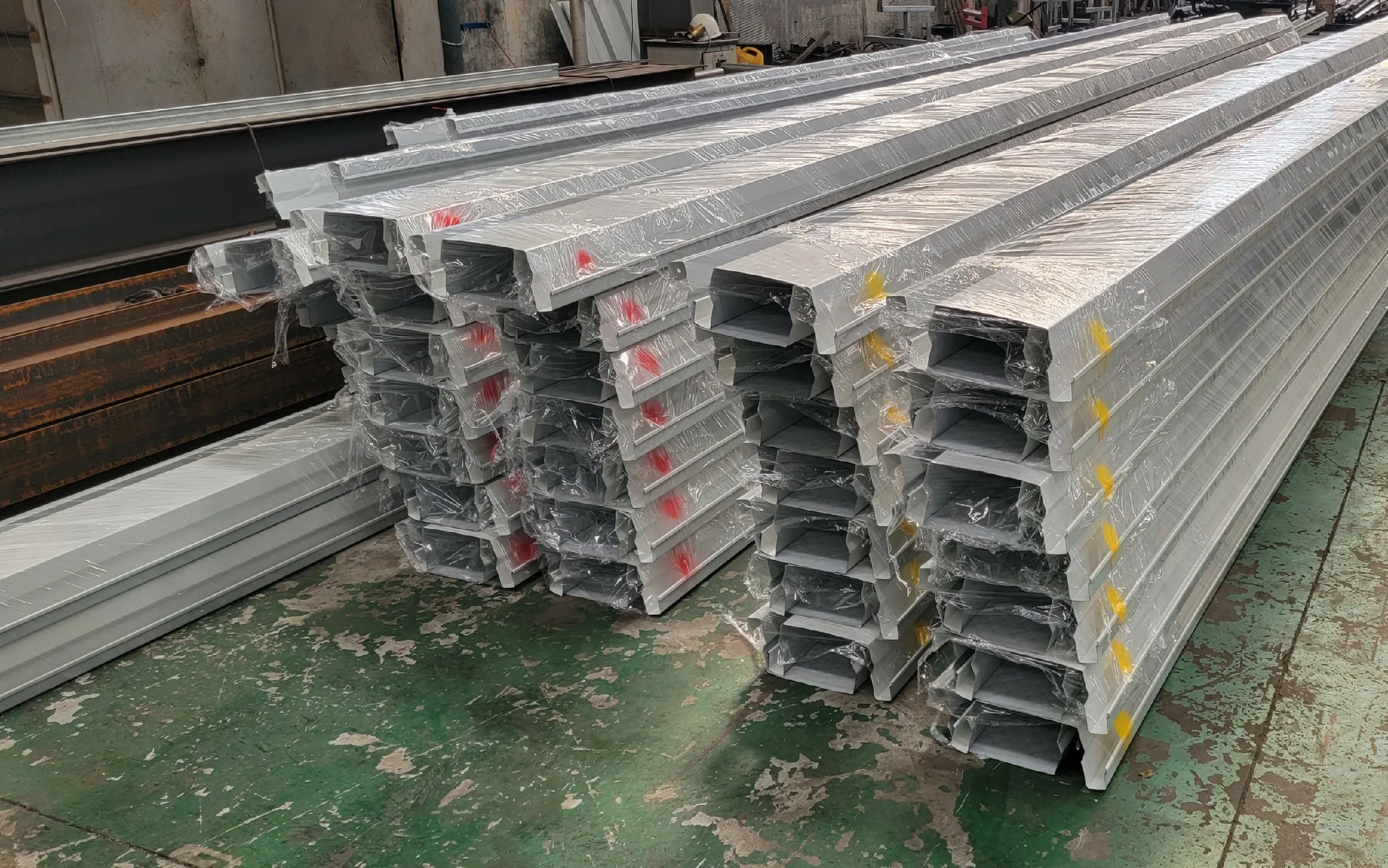
Among the essential components for this task are gutter brackets, stem hooks, and pipe railway supports, each serving a distinct purpose. Gutter brackets are designed to mount conduits directly to the edge of strut channels, creating a clean and robust installation. Stem hooks offer a versatile solution for suspending individual conduits from threaded rods or beams. For managing multiple lines, pipe railway supports are the superior choice, functioning like a skeletal framework that neatly bundles and secures several conduits together in a single, cohesive unit.
| Component | Primary Use | Key Advantage |
|---|---|---|
| Gutter Bracket | Mounting to strut channel | Creates a rigid, flush connection |
| Stem Hook | Overhead suspension | Flexibility in placement and height |
| Pipe Railway Support | Bundling multiple conduits | Maximizes organization and load capacity |
Choosing the right component depends on the specific demands of the installation. Consider the following for an optimal setup:
- Load Requirements: Assess the combined weight of the conduits and their contents.
- Environmental Factors: Account for vibrations, moisture, or corrosive elements.
- Future Accessibility: Ensure the design allows for easy additions or modifications later.
Selecting the Right Support: A Guide to Material and Load Considerations
While often overlooked, the choice of support component is a critical decision that directly impacts the longevity and safety of your entire system. The correct bracket or hook acts as the linchpin, ensuring that gutters, pipes, and cables perform flawlessly under stress. This selection isn’t arbitrary; it hinges on a precise understanding of two fundamental factors: the material composition of the support itself and the load characteristics it must bear. Neglecting this synergy can lead to sagging, detachment, or even catastrophic failure.
To navigate this selection process, consider the following key questions:
- Environmental Exposure: Is the area prone to high humidity, salt spray, or temperature extremes?
- Static vs. Dynamic Load: Will the support hold a fixed weight (like a full gutter) or endure movement (like a vibrating pipe)?
- Surface Compatibility: Is the mounting surface wood, brick, concrete, or vinyl siding?
| Support Type | Ideal Material | Best Suited For |
|---|---|---|
| Gutter Brackets | Heavy-gauge aluminum, pre-galvanized steel | Handling water weight, ice buildup, and wind uplift. |
| Stem Hooks | Stainless steel, coated steel | Securing electrical cables and lightweight conduits. |
| Pipe Railway Supports | Hot-dipped galvanized steel | Supporting heavy, insulated pipes in industrial settings. |
Of course. Here are a few creative yet neutral options for your article outro.
Option 1 (Metaphorical)
As we’ve seen, the integrity of any structure lies not only in its grand design but in the precision of its connections. Gutter brackets, stem hooks, and pipe railway supports are the unsung sentinels of our built world. They are the quiet guardians that translate architectural vision into enduring reality, ensuring that what flows above and what carries us forward does so with unwavering stability. In the grand narrative of construction, these components are the crucial punctuation-the strong, silent clauses that give the entire sentence its meaning and strength.
Option 2 (Reflective)
From the rainwater channeled away from a foundation to the vital utilities snaking through a city and the railways connecting distant points, these essential components form a silent, supportive network. Gutter brackets, stem hooks, and pipe supports may occupy the background, but their role is foregrounded in the safety, efficiency, and longevity of our everyday environments. They remind us that true support is often found not in the spotlight, but in the steadfast, unseen connections that hold everything together.
Option 3 (Concise and Evocative)
So, while the eye is drawn to rooflines, pipelines, and railway lines, the true story of resilience is told by their steadfast companions. Gutter brackets defy the downpour, stem hooks chart a secure course, and pipe railway supports bear the relentless rhythm of progress. Together, they form an essential lexicon of support-a vocabulary of strength written in steel and aluminum, ensuring that the structures we rely on stand firm, season after season.