Of course! Here is a creative, neutral introduction for your article:
Every greenhouse begins as a promise-a vision of sun-drenched leaves, vibrant blossoms, and the quiet hum of growth. But the magic of this controlled climate doesn’t materialize from thin air; it is meticulously built, piece by piece. It’s a symphony composed not just of glass and plants, but of the unsung heroes: the small, essential components that hold the entire structure together. This is the world beyond the seeds and soil, a world of precise angles and steadfast support. Welcome to the complete anatomy of your greenhouse, a detailed exploration of everything from the foundational gutter brackets to the humble wire hooks-the indispensable ensemble that transforms a structural frame into a thriving ecosystem.
Essential Framework: Understanding Gutter Brackets and Structural Connectors
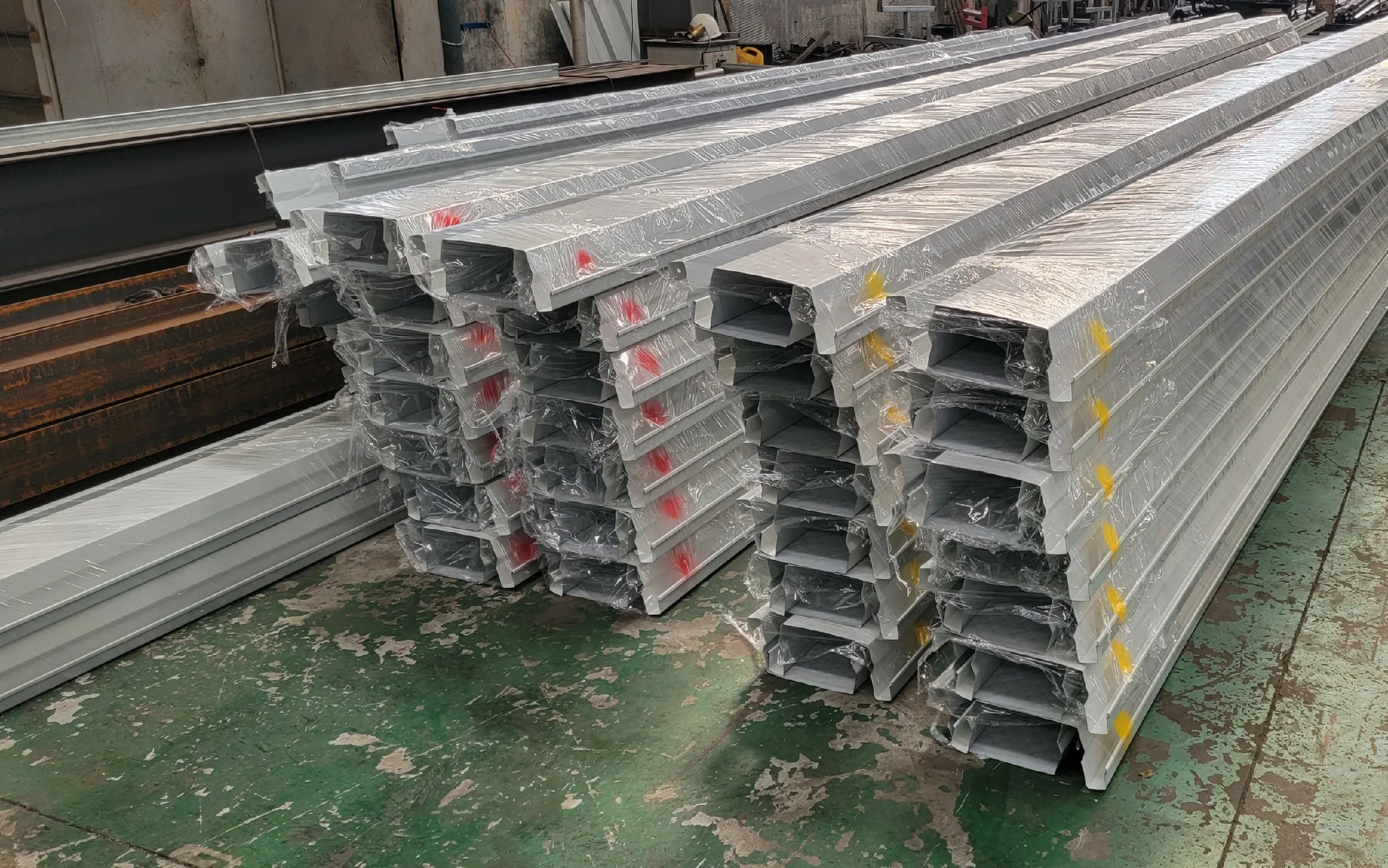
While the glazing panels are the star of the show, the true unsung heroes of any greenhouse are the components that hold everything together. This underlying framework, composed of gutter brackets, base plates, and structural connectors, is the skeleton that determines the longevity and stability of your entire structure. They are the critical junctions where strength, precision, and durability converge.
Choosing the right connectors is not a one-size-fits-all decision. The requirements vary significantly based on the greenhouse’s design and the materials used. For instance, the connectors needed for a robust, free-standing structure will differ from those used in a delicate, lean-to model. Here’s a quick comparison of connector functions in different scenarios:
| Greenhouse Type | Primary Connector Focus | Key Consideration |
|---|---|---|
| Free-Standing | Corner Braces & Roof Supports | Resisting wind load from all directions |
| Lean-To | Wall Plates & Gutter Brackets | Secure attachment to the existing wall |
| High-Snow Load | Reinforced Roof Joints | Preventing collapse under weight |
When assembling your framework, pay close attention to:
- Material Compatibility: Ensure brackets and connectors are made from the same or a compatible material (e.g., aluminum to aluminum) to prevent galvanic corrosion.
- Load Distribution: Each connector must be designed to distribute stress evenly across the framework, preventing weak points.
- Ease of Assembly: Well-designed connectors will feature pre-drilled holes and clear instructions, making the build process straightforward and secure.
Selecting the Right Fasteners: A Guide to Screws, Bolts, and Nuts
While the larger components like glass panels and framing get most of the attention, the true longevity of your greenhouse depends on the small, unsung heroes: the fasteners. Choosing the wrong type can lead to a world of problems, from rust streaks staining your panels to structural weakness during a heavy wind. The key is to match the fastener’s material and design to its specific job and the environment it will face.
Consider these critical factors for your greenhouse project:
- Material & Corrosion Resistance: The humid environment demands stainless steel or hot-dipped galvanized fasteners to prevent rust.
- Load & Stress: Heavy-duty brackets for hanging baskets need the shear strength of a bolt and nut, while attaching a lightweight wire hook is a job for a simple wood screw.
- Substrate: Are you fastening into wood, metal, or masonry? Each requires a different thread design and, for the latter, a specific anchor.
To simplify your shopping, here’s a quick reference for common greenhouse fastening tasks:
| Application | Recommended Fastener | Why It Works |
|---|---|---|
| Gutter Brackets | Hex Head Lag Bolts | Superior holding power in wooden frames, handles heavy rain load. |
| Polycarbonate Panels | Pan Head Screws with EPDM Washers | Wide head and sealant washer prevent leaks and panel damage. |
| Wire Hooks & Light Trellis | Stainless Steel Wood Screws | Corrosion-resistant and strong enough for lightweight fixtures. |
| Metal-to-Wood Joints | Machine Bolts with Nuts & Washers | Creates a solid, clamped connection that won’t loosen easily. |
Securing and Organizing: The Role of Wire Hooks and Specialty Clips
While the structural integrity of your greenhouse relies on its frame and glazing, the true secret to a thriving, long-lasting garden environment lies in the mastery of the details. This is where wire hooks and specialty clips step into the spotlight, transforming your structure from a simple shelter into a highly organized and secure growing machine. These small but mighty components are the unsung heroes of greenhouse management, allowing you to harness vertical space, protect delicate plants from damage, and maintain a clean, efficient workspace that promotes plant health.
Understanding the specific function of each type of clip and hook is key to maximizing your greenhouse’s potential. They are designed for distinct tasks, from gentle plant support to robust tool storage.
- Training Clips & Vines: Gentle, often plastic, clips that guide climbing plants like tomatoes and cucumbers up supports without cutting into their stems.
- S-hooks & C-hooks: The ultimate organizers for hanging watering cans, small tools, and baskets, keeping the floor clear and essentials within reach.
- Gutter Clips: Specifically designed to attach gutters to the greenhouse frame securely, ensuring proper water runoff and protecting the foundation.
To help you select the right fastener for the job, consider this guide:
| Component | Primary Use | Material |
|---|---|---|
| Vinyl-Coated Wire Hooks | Hanging heavy planters; protects surfaces from scratches | Steel with PVC coating |
| Adjustable Plant Ties | Securing stems to stakes; allows for growth | Flexible plastic or rubber |
| Spring-Loaded Clips | Attaching shade cloth or thermal screens to frames | Stainless steel or galvanized metal |
Beyond the Basics: Specialized Components for a Durable Greenhouse
Once the primary glazing and structural frame are in place, the true finesse of a long-lasting greenhouse build comes from the supporting cast of specialized components. These often-overlooked parts are the unsung heroes that manage the micro-environment, ensuring efficient water drainage, secure ventilation, and organized plant support. Investing in high-quality fittings here is an investment in the greenhouse’s resilience against the elements and its overall functionality for years to come.
Consider the critical roles these components play:
- Gutter Systems & Brackets: Far more than just for rainwater collection, a robust gutter system protects your foundation from erosion and prevents water from dripping onto doorways and pathways, keeping the area safe and dry.
- Ventilation Hardware: This includes automatic vent openers, sturdy sash locks, and wind-resistant hinges. They work in concert to provide crucial air circulation, preventing overheating and fungal diseases without constant manual intervention.
- Internal Infrastructure: Items like wire hooks, trellis netting anchors, and adjustable hanging pulley systems allow you to maximize vertical space and keep your growing area tidy, which is essential for plant health and ease of maintenance.
To help you select the right hardware for specific tasks, here’s a quick guide to some specialized components and their ideal applications. Choosing the correct type for the job will significantly enhance the durability and efficiency of your greenhouse.
| Component | Primary Function | Best For |
|---|---|---|
| Aluminum Gutter Brackets | Secure gutter to the structure | Heavy rainfall or snow load areas; corrosion resistance |
| Galvanized Wire Hooks | Hanging baskets & tools | High-humidity environments; preventing rust stains |
| Polycarbonate End Caps | Seal panel edges | Maximizing insulation and keeping out pests/dust |
| Base Rail Anchors | Secure frame to foundation | Windy sites; ensuring structural integrity |
Of course! Here are a few creative yet neutral options for your article outro.
Option 1 (Metaphorical)
With every bracket secured and each hook in its place, your greenhouse transforms from a skeletal frame into a vibrant ecosystem waiting to bloom. This checklist is more than just an inventory of parts; it’s the final blueprint for a season of growth. Now, with the architecture complete, the true magic-the planting, the nurturing, the flourishing-can finally begin.
Option 2 (Journey-Focused)
Your journey from a collection of components to a fully functional greenhouse is nearly complete. Each item on this list, from the most fundamental bracket to the smallest wire hook, is a step toward creating a structured environment where life can thrive. With the final piece in hand, you’re ready to close the chapter on construction and open the door to cultivation.
Option 3 (Reflective)
So, as you run your finger down this final checklist, consider it the quiet overture before the main performance. Every part, no matter how small, plays a crucial role in the symphony of your greenhouse. With the hardware complete, the stage is now set. All that remains is to introduce the players: your seeds, your seedlings, and the promise of a verdant harvest.
Option 4 (Direct and Evocative)
From the sturdy shoulders of the gutter brackets to the delicate embrace of the wire hooks, each component has its part to play. This checklist is your assurance that nothing has been overlooked. Now, the shell is ready. The structure is sound. It’s time to turn your attention from the framework to the life it will shelter and the garden it will become.