Imagine a garden that defies the seasons, where the harvest is measured not by the whims of weather, but by the precision of design. This is the promise of the greenhouse-a controlled environment where the art of cultivation meets the science of growth. Yet, within those transparent walls, a crucial choice awaits: which growing system will unlock the full potential of your space? From the soil-free elegance of hydroponics to the clever simplicity of repurposed gutters and the reliability of traditional methods, the options are as diverse as the plants they nurture. This guide is your entry into that world of possibility, a map to navigate the landscape of modern greenhouse growing systems and discover the perfect foundation for your cultivating ambitions.
Choosing Your Foundation: Soil Based versus Soilless Systems
Every great greenhouse structure rests upon a critical decision that goes deeper than the frame and glazing: the very foundation of your plants’ life. This choice, between nurturing your crops in the earth itself or suspending them in a precisely engineered medium, defines your entire growing philosophy and daily routine.
| Consideration | Soil-Based | Soilless |
|---|---|---|
| Control & Precision | Lower; relies on natural soil cycles. | High; complete control over nutrients. |
| Initial Setup & Cost | Generally lower and simpler. | Often higher due to equipment needs. |
| Pest & Disease Risk | Higher risk of soil-borne issues. | Lower risk, but pathogens can spread quickly in water. |
For the traditionalist, a soil-based system offers a connection to natural processes. It’s a forgiving environment with a built-in buffer for nutrients and pH, making it excellent for beginners or for growers of hearty crops like tomatoes and peppers. However, it requires diligent management of soil health and carries a higher risk of weeds and soil-borne diseases. In contrast, soilless systems-which include various hydroponic and media-based setups-provide unparalleled control. By delivering a tailored nutrient solution directly to the roots, you can accelerate growth and maximize yields in a cleaner environment. The trade-off is a need for constant monitoring and a reliance on technology and electricity.
Hydroponics Unpacked: From Deep Water Culture to Nutrient Film Technique
While the image of plants growing directly in water is the most iconic, the world of hydroponics is wonderfully diverse. Two of the most effective and popular methods for greenhouse growers are Deep Water Culture (DWC) and the Nutrient Film Technique (NFT). DWC is the essence of simplicity, where plant roots are suspended in a highly oxygenated, nutrient-rich solution, allowing for rapid growth and massive root systems. In contrast, NFT uses a constant, shallow stream of nutrient solution flowing through gently sloped channels, creating a highly efficient and oxygen-rich environment for root development with minimal water usage.
Choosing between these systems depends heavily on your crops and scale. DWC is fantastic for large, thirsty plants like lettuce and herbs, while NFT excels with fast-growing, smaller-rooted varieties. To help visualize the core differences, consider the following breakdown:
| System | Best For | Key Consideration |
|---|---|---|
| Deep Water Culture (DWC) | Lettuce, Basil, Kale | Requires robust aeration; not ideal for large, long-term plants. |
| Nutrient Film Technique (NFT) | Strawberries, Spinach, Herbs | Power outage vulnerability; roots can clog channels if not monitored. |
Beyond these two, other hydroponic configurations integrate seamlessly with greenhouse infrastructure. You might also explore:
- Ebb and Flow (Flood and Drain): Periodically floods the grow tray with nutrient solution, then drains it back, ideal for a wide variety of plants in pots.
- Aeroponics: The high-tech champion, misting suspended roots with nutrients for maximum oxygen and growth speed.
Integrating Vertical Space: The How and Why of Gutter Systems
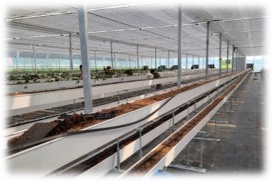
When we think of maximizing a greenhouse, our minds often jump to horizontal square footage. However, the most transformative real estate in your growing operation is often vertical. Gutter systems are the unsung heroes of this vertical frontier, enabling growers to stack plants in tiers, much like a multi-story building for flora. This approach isn’t just about cramming more plants into a limited area; it’s a strategic move to dramatically increase yield per square foot without expanding the greenhouse footprint. By elevating plants, you create a more controlled microclimate for each level and optimize light penetration and air circulation throughout the entire structure.
Implementing a gutter system requires careful consideration of the specific needs of your crops and your operational workflow. The key is to balance density with accessibility.
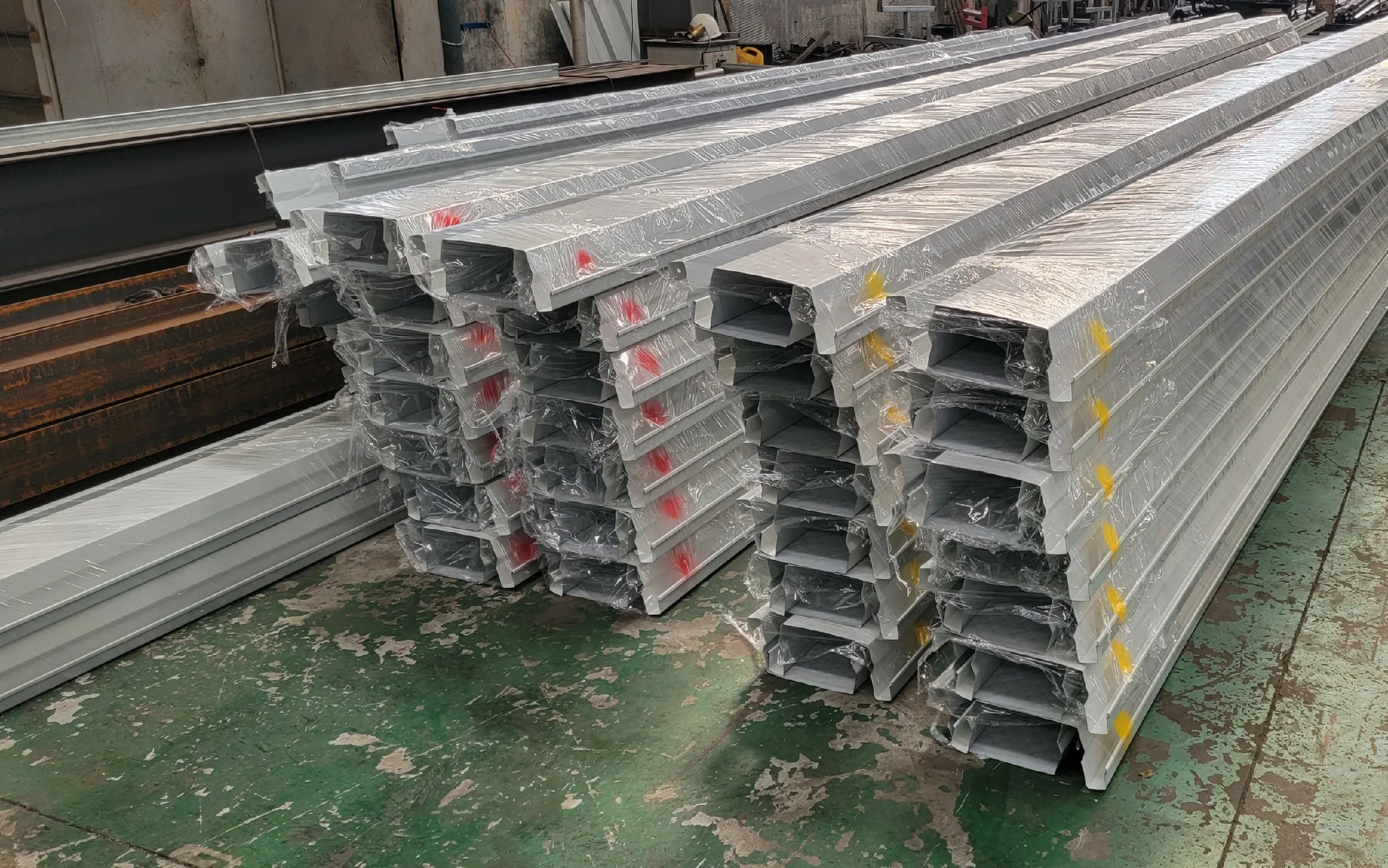
- Material Matters: Choose between galvanized steel for durability or aluminum for a lighter, corrosion-resistant option.
- Precision Slope: A gentle, consistent gradient is non-negotiable for effective drainage, preventing waterlogging and disease.
- Irrigation Integration: Seamlessly link gutters to your water and nutrient delivery system, whether it’s a simple drip line or a sophisticated ebb-and-flow setup.
To help visualize the core differences in approach, consider the fundamental shift a gutter system represents:
| Traditional Single-Level | Vertical Gutter System |
|---|---|
| Growth limited to ground-level space | Utilizes the entire air column for production |
| Manual labor often involves bending and stooping | Ergonomic design brings plants to a comfortable working height |
| Uniform climate across the entire floor | Allows for tier-specific climate zones |
Beyond the Basics: Advanced Environmental Controls and Automation
Once you’ve mastered the fundamentals of water and nutrients, the next frontier in greenhouse cultivation is creating a truly dynamic and responsive environment. Advanced controls move beyond simple thermostats and timers, integrating data from a network of sensors to create a perfectly synchronized symphony of growth factors. Imagine a system that automatically adjusts shading based on real-time solar radiation readings, modulates ventilation in response to humidity spikes, and fine-tunes CO2 enrichment to coincide with peak photosynthetic periods. This level of precision ensures your plants experience optimal conditions 24/7, leading to maximized yields and superior quality.
The heart of this automation lies in a central environmental computer, which can be programmed with setpoints and schedules. For the modern grower, remote access via smartphone apps is indispensable, allowing for monitoring and adjustments from anywhere. Key components of a sophisticated system often include:
- Integrated Sensor Suites: Monitoring light intensity, leaf wetness, substrate moisture, and even plant temperature.
- Automated Fertigation Dosing: Precisely injecting nutrients and pH adjusters based on EC/pH sensor feedback.
- Climate Scheduling: Creating different day/night profiles that gradually change conditions to simulate seasonal shifts or stress plants for specific traits.
To illustrate how these elements work in concert, consider the following automated response to a common scenario:
| Environmental Trigger | System Sensors Detect | Automated Response |
|---|---|---|
| Unexpected midday cloud cover | Light levels drop by 40% | Retracts shade screens, reduces cooling, and scales back irrigation frequency. |
| Rapid temperature drop at sunset | Air temperature and humidity rise sharply | Activates horizontal air flow (HAF) fans and gently applies heat to prevent condensation and disease. |
Of course! Here are a few creative and neutral options for your article outro.
Option 1 (Metaphorical & Forward-Looking)
Your greenhouse is no longer just a structure of glass and steel; it has become a blank canvas. Hydroponics, gutters, aquaponics-these are your brushes and paints. The fundamentals are now in your hands. The real journey begins with the first seed you sow, the first system you calibrate, the first leaf that unfurls under your care. So, step inside. The air is warm, the potential is ripe, and your unique ecosystem awaits its architect. What will you grow?
Option 2 (Reflective & Empowering)
From the deep-water roots of hydroponics to the flowing currents of gutter systems, you’ve surveyed the landscape of modern growing. This guide ends not with a final answer, but with a map of possibilities. Each method is a different path to the same destination: a thriving, abundant harvest. The choice is a personal equation of space, goals, and curiosity. The ultimate system is simply the one that you begin.
Option 3 (Concise & Evocative)
And so, the blueprint is complete. The spectrum of systems-from water to soil, from gutter to bed-now lies before you. Each holds a key to turning light and nutrient into life. This is where the theory of the guide transforms into the practice of your hands. The greenhouse door is open. Your growing season starts now.
Option 4 (Direct & Inviting)
You’ve reached the end of the guide, but this is truly the beginning of your cultivation story. The knowledge of these systems is your foundation. Whether you choose the precision of hydroponics or the simplicity of gutter gardens, your greenhouse is ready to become a living experiment. Observe, adapt, and most importantly, plant something. The most rewarding harvest is the one you nurture yourself.